


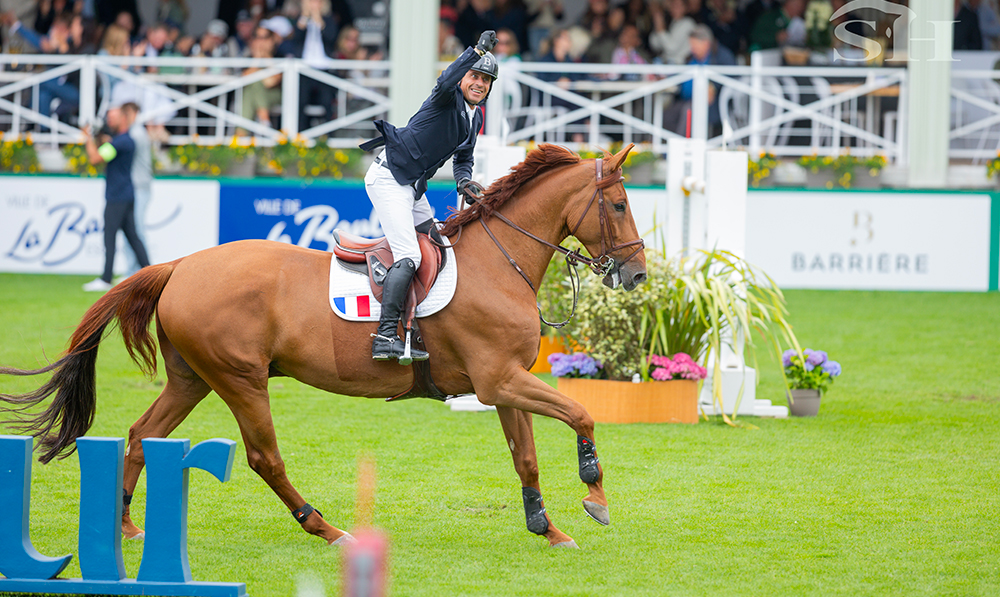
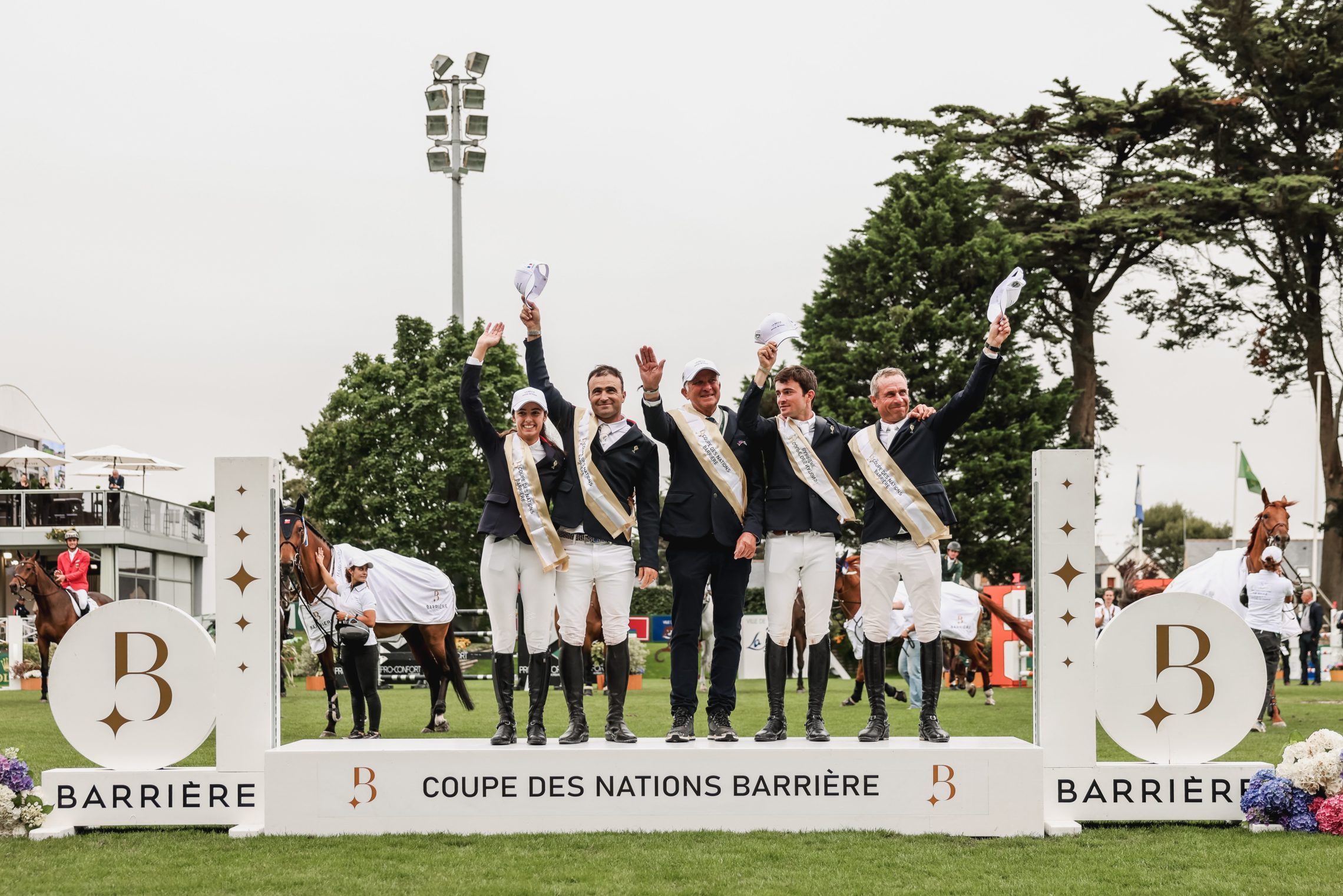
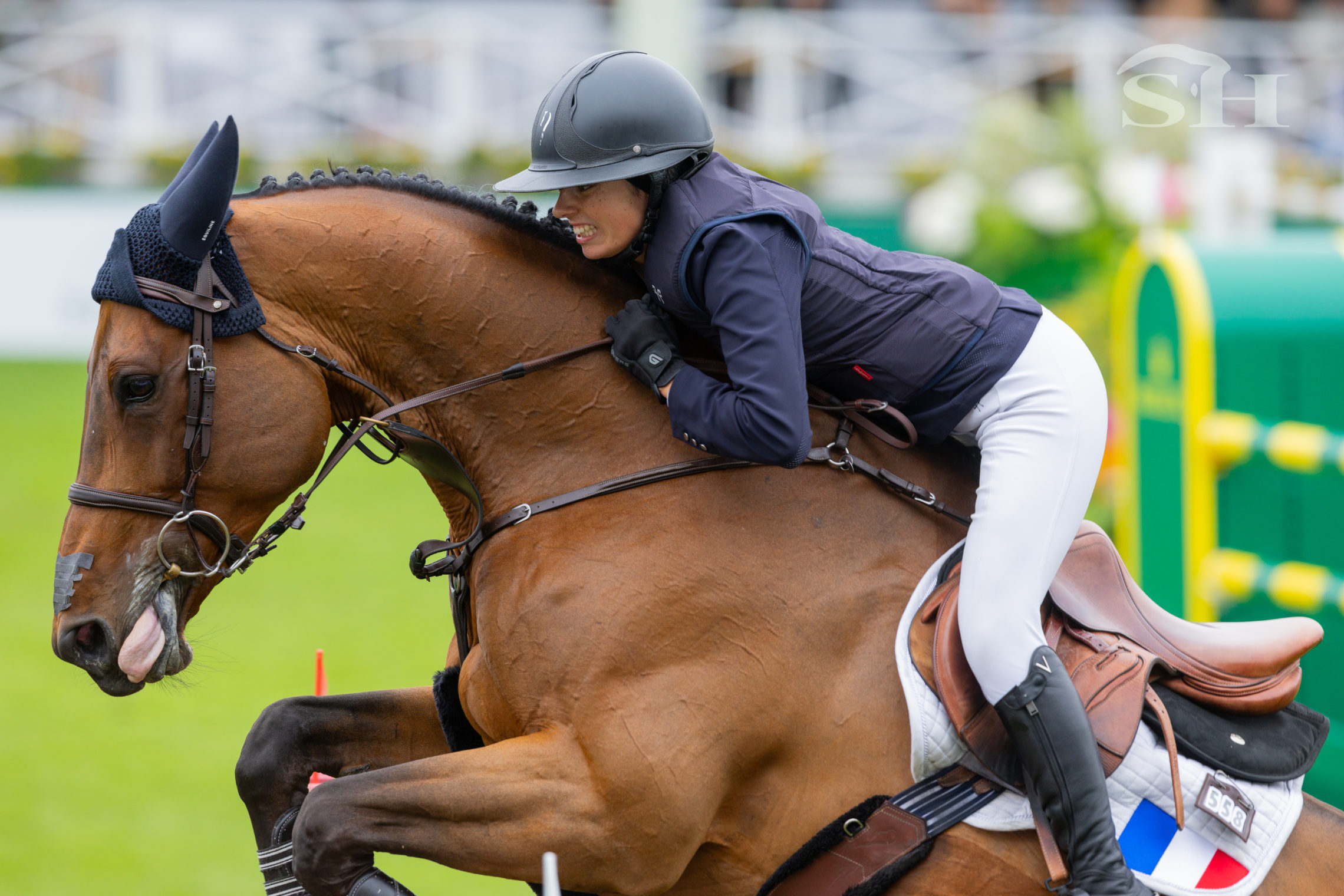
ine years later, France has finally won its Nations Cup in La Baule again. At the end of an afternoon full of twists and turns, Les Bleus finished ahead of Germany and Ireland, carried by a decisive Julien Épaillard with Fringan de Vesquerie and an Antoine Ermann at the top of his game with Floyd des Prés. Inside the Stade François-André, the crowd roared, and La Baule found its French accent again.
A victory that did not come gift-wrapped
At La Baule, Nations Cups rarely have the good manners to follow a straight line. They often begin with certainties, continue with tight faces, and sometimes end with riders discovering that an afternoon can swing on one rail, one time penalty, or one horse deciding to grow very tall at exactly the right moment.
On Friday, for the third leg of the Rolex Series calendar, France did not simply win. It built, resisted, waited for its moment, then jumped at the opportunity when Germany began to leave the door open.
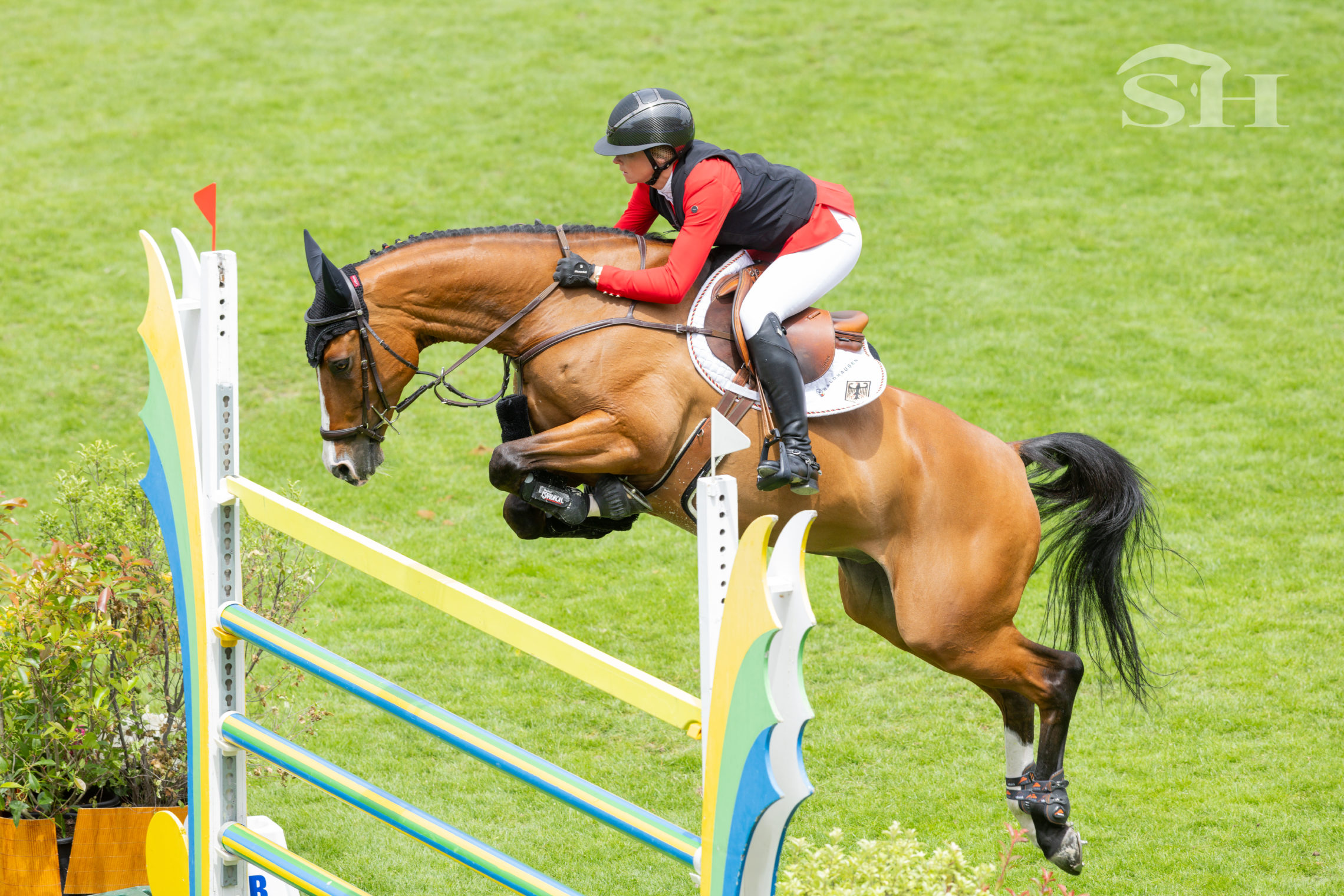
Because for a while, the Germans looked comfortably installed in the boss’s armchair. The big, wide, cushioned kind, with a perfect view of victory. Except the second round came along to remind everyone of an old sporting rule: when everything looks under control, that is often when the script starts writing itself. Hinners jumped a double clear with Iron Dames Singclair. So did Thieme with DSP Chakaria.
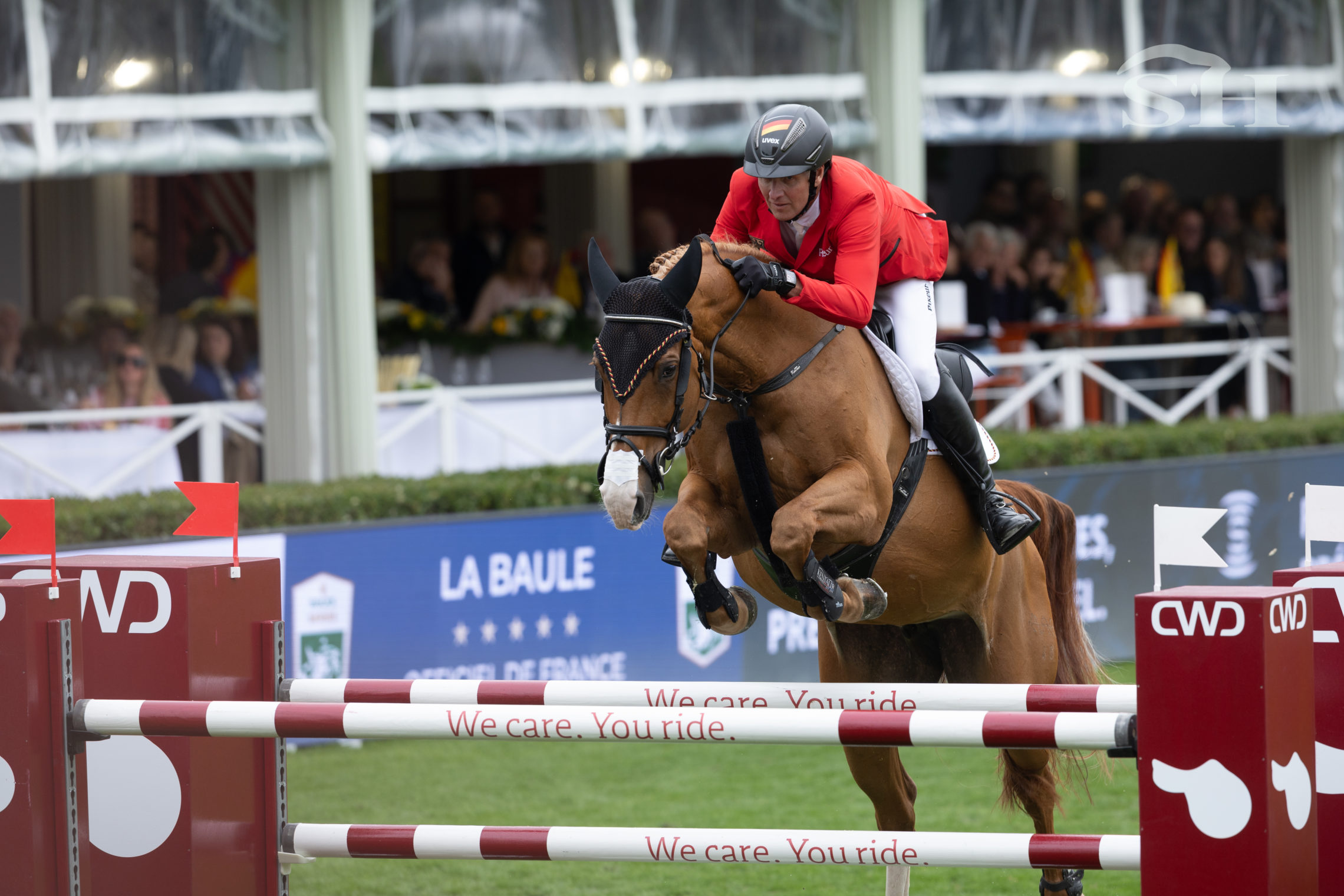
Then things got complicated for the Mannschaft...
Clear in the first round, Daniel Deusser could not repeat the trick in the second with Otello de Guldenboom. Four points. And there was no point waiting for the European champion and his phenomenon United Touch S to save the day this time. The pair that had won the Aachen Grand Prix a few weeks earlier could do no better than 12 and 4 faults. Some days are just like that.
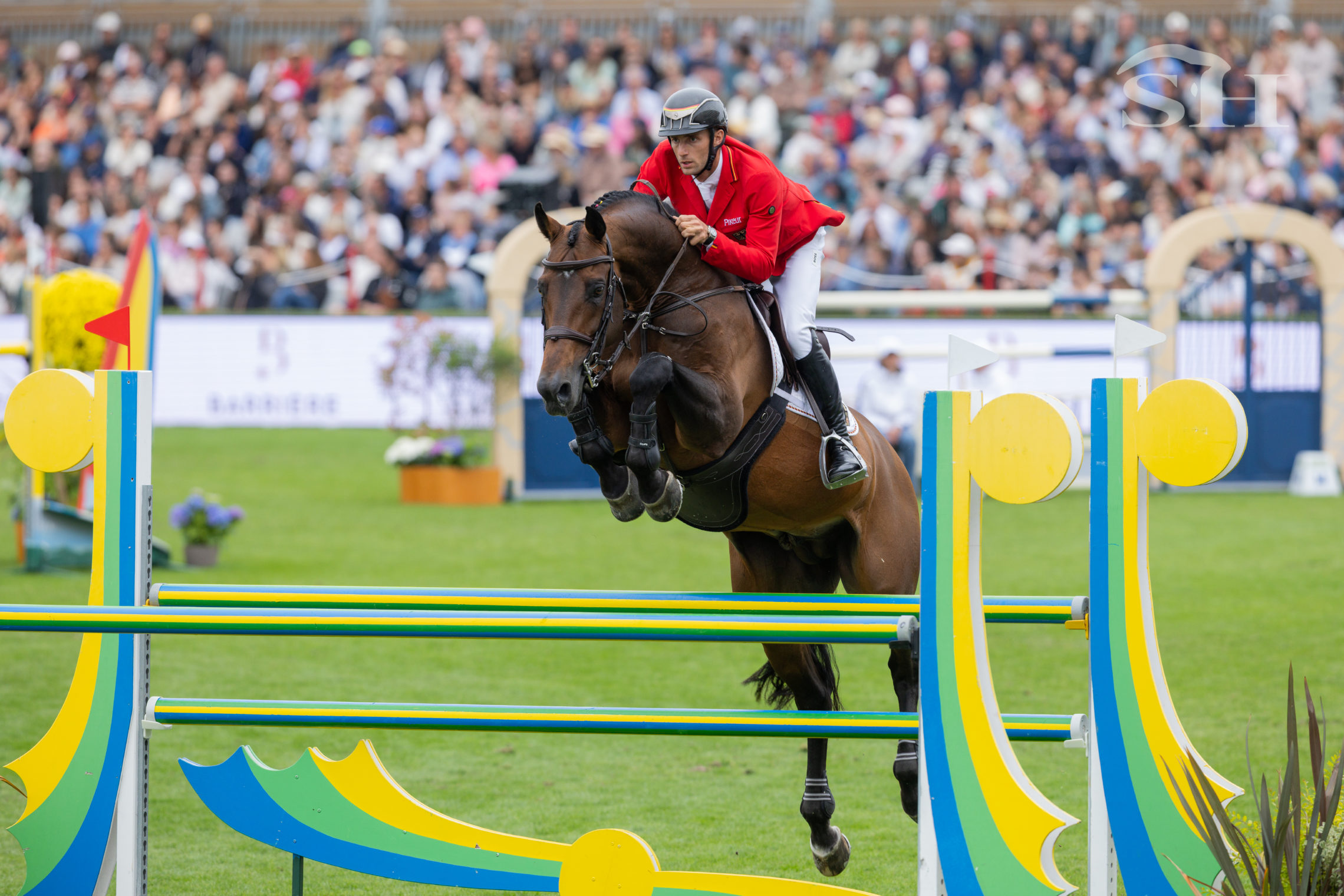
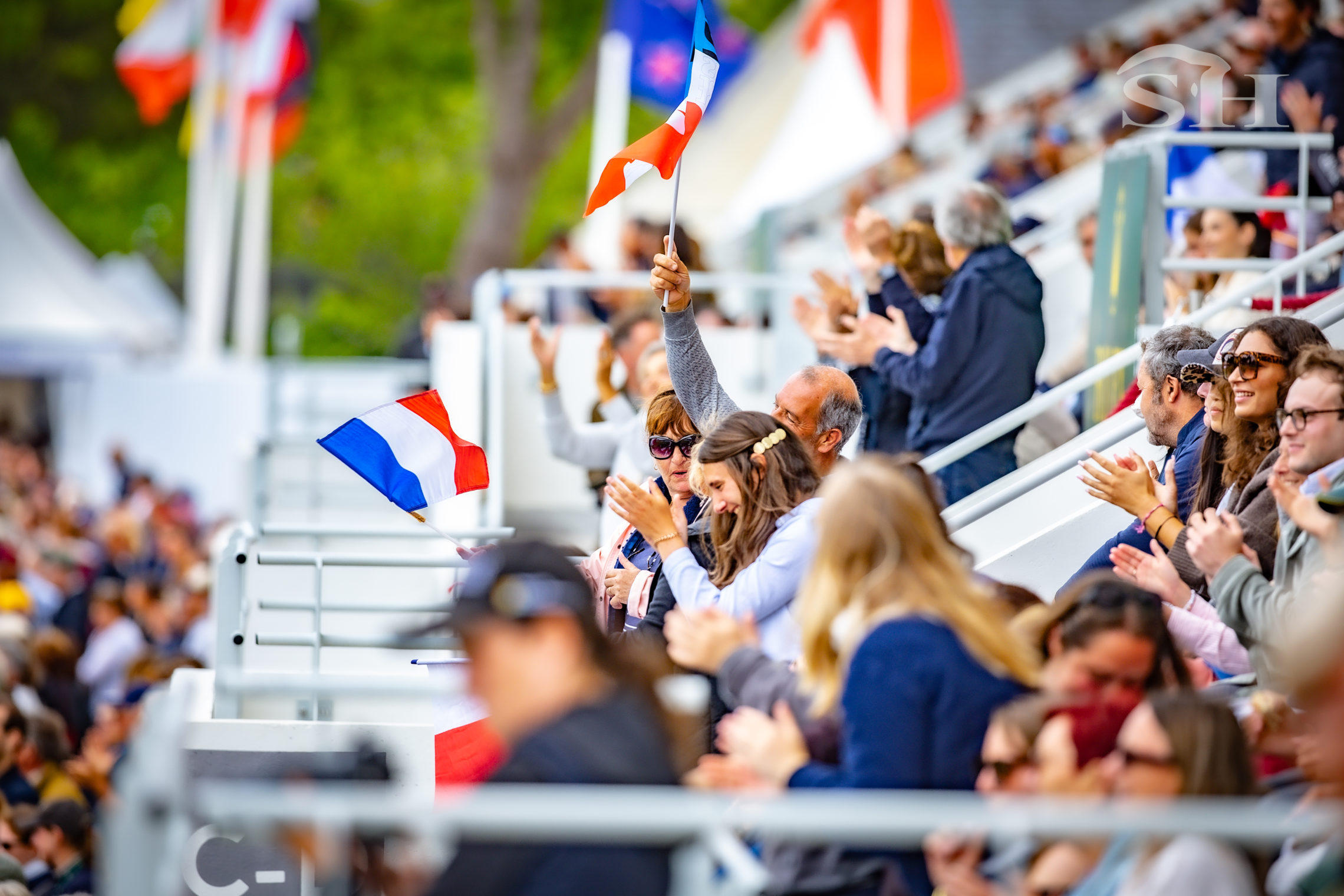
France, meanwhile, stayed on its feet. And in La Baule, in front of a French crowd that had been waiting for this for nine years, staying on its feet already meant a lot. Winning meant everything.
Épaillard, the man who does not blink
In this victory, one name reads like a bank guarantee: Julien Épaillard. Riding Fringan de Vesquerie, the Norman produced the double clear every team dreams of in a Nations Cup. Two clean rounds, two clear answers, twice the same impression: a rider who knew exactly what he had come to do.
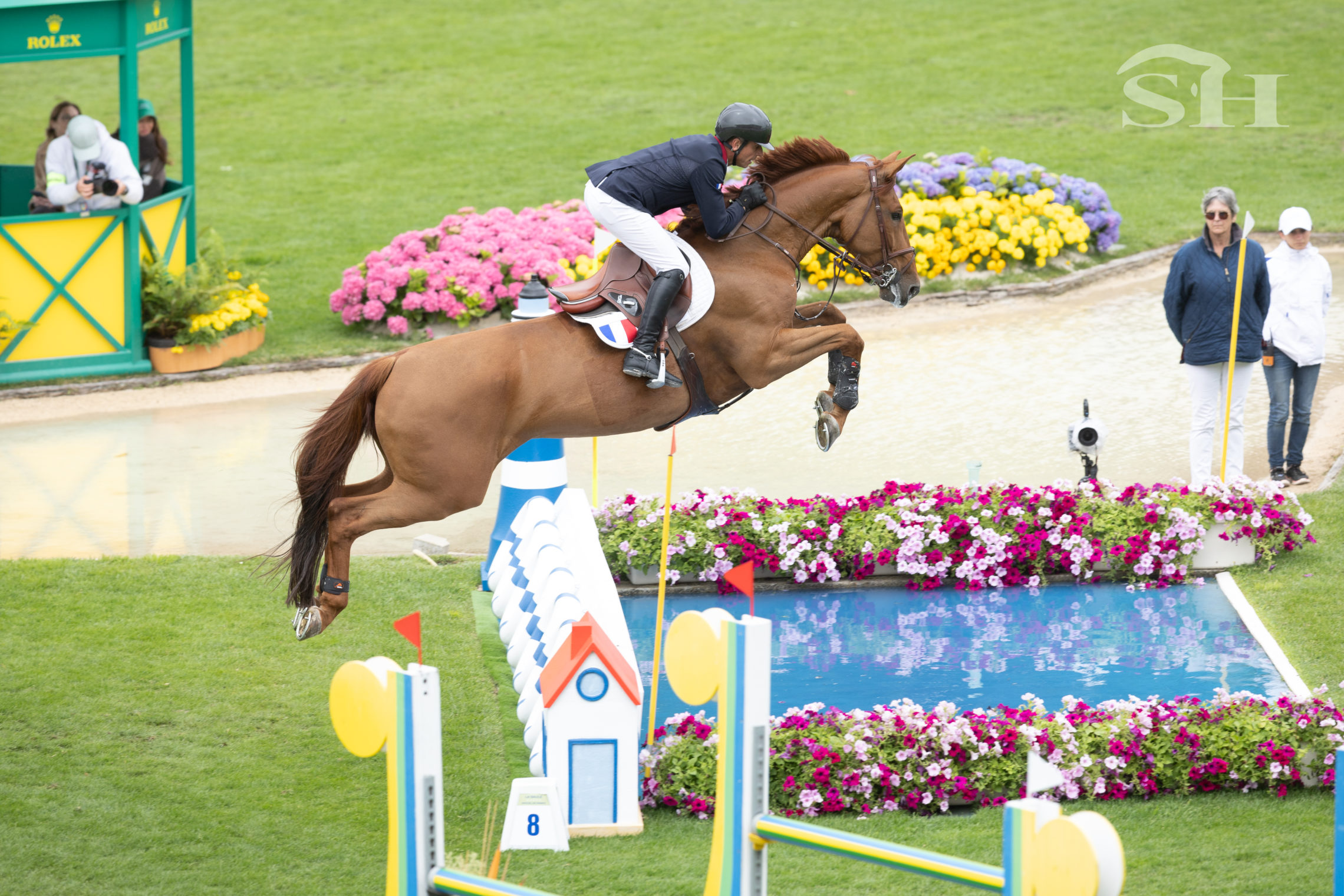
No need to overplay it. No need to pretend. Épaillard simply laid down two boss-level rounds on the grass of La Baule. In a competition where faults were appearing almost everywhere, that kind of performance is worth more than just a zero on the scoreboard. It gives air to the teammates, confidence to the chef d’équipe, and a few extra decibels in the grandstands.
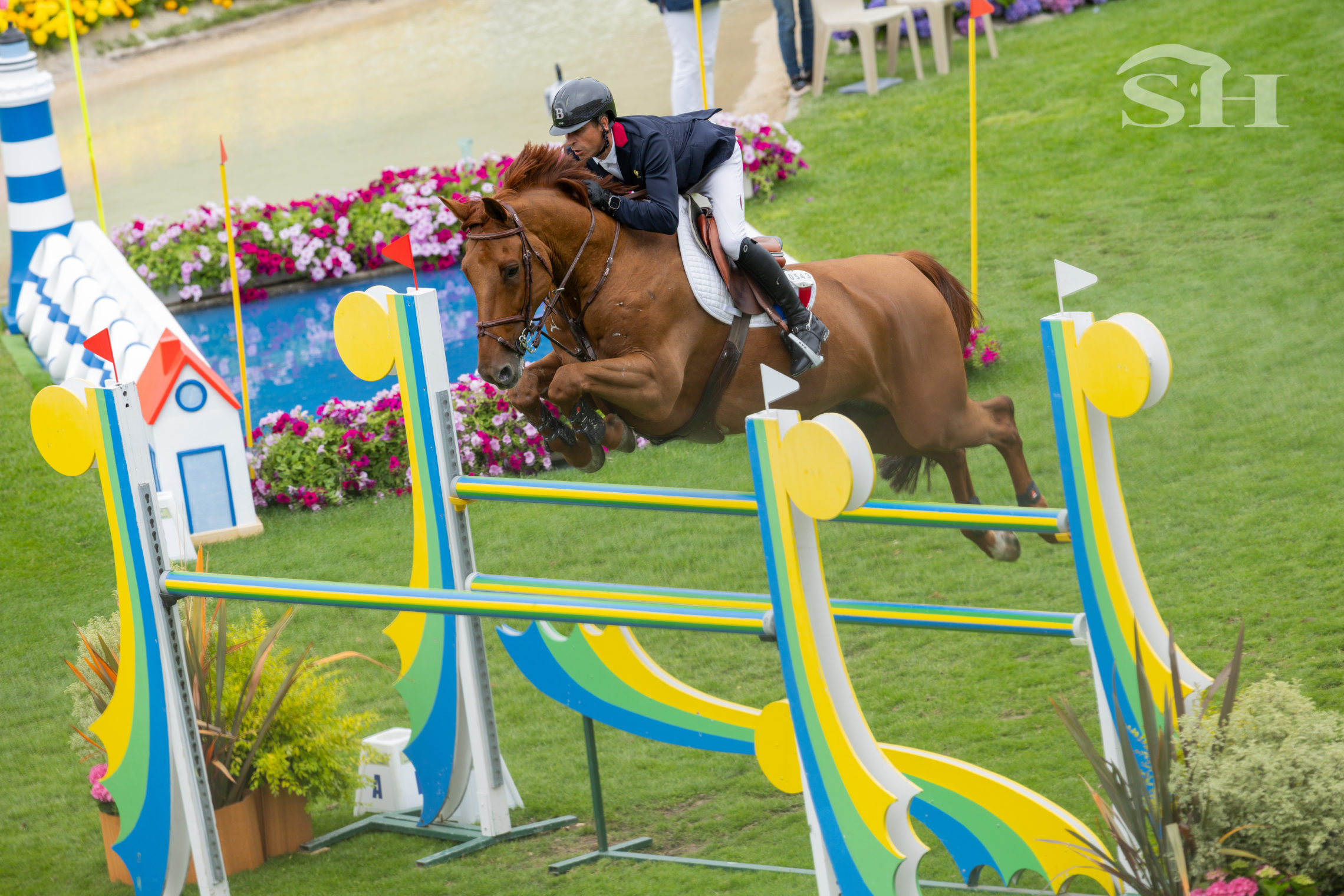
Fringan de Vesquerie, for his part, answered like a horse who had little interest in joining the debate. Where others hesitate, he jumps.
Antoine Ermann, the second act in widescreen
And then there was Antoine Ermann. With Floyd des Prés, the French rider had left one small time penalty on the table in the first round. Nothing dramatic, but in a Nations Cup, every detail ends up filed under “things that might become expensive later”.
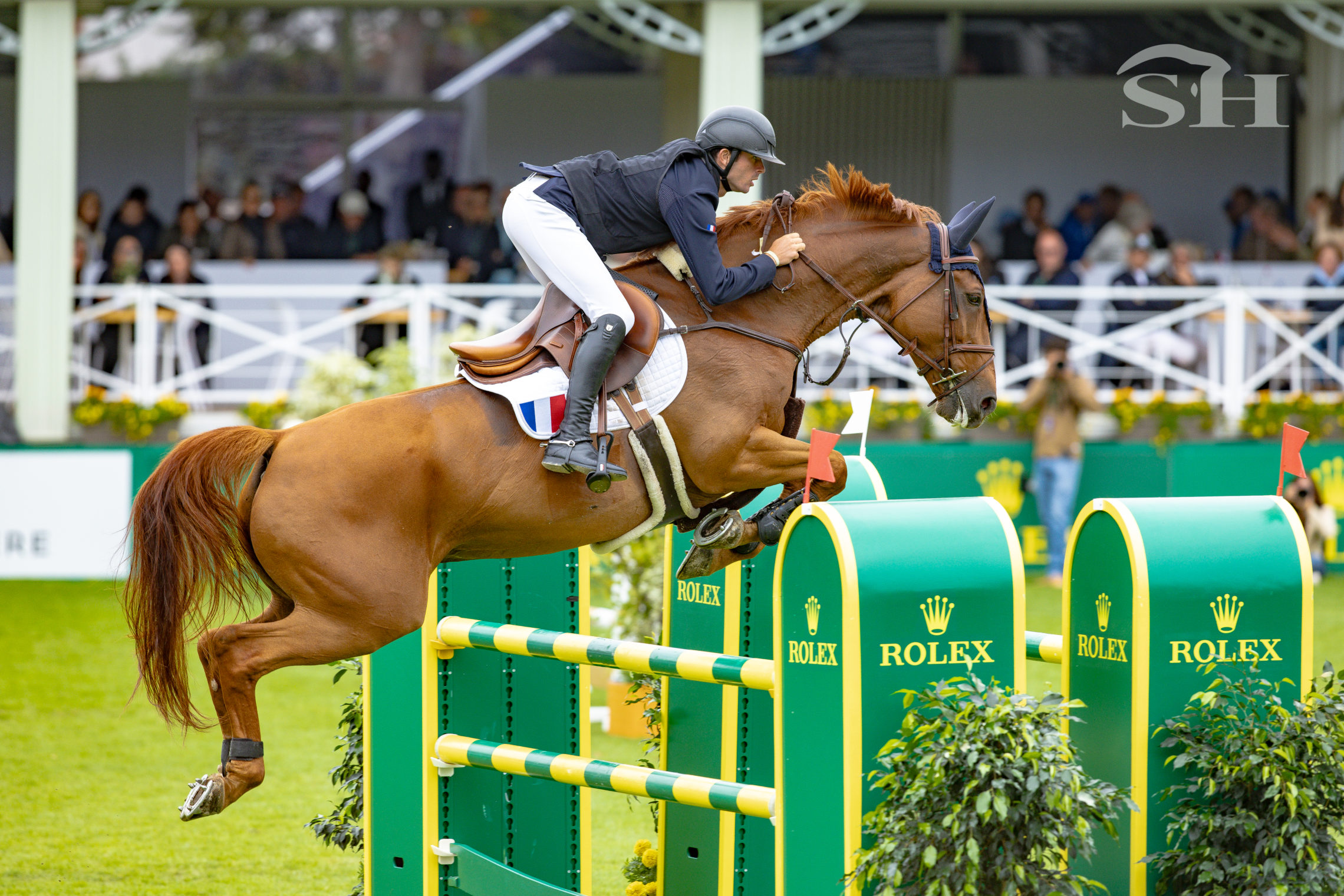
In the second round, he left no room for suspense. Clear. Clean. Precious. The kind of round that does not necessarily blow up the ranking on its own, but changes the temperature of an afternoon. In a team, there are engines, safety nets, soldiers and momentum-shifters. On Friday, Ermann was a little bit of all of them at once.
“Winning the Nations Cup in La Baule is something very special,” he said afterwards. “Doing it in front of the French crowd makes this moment even more memorable.”
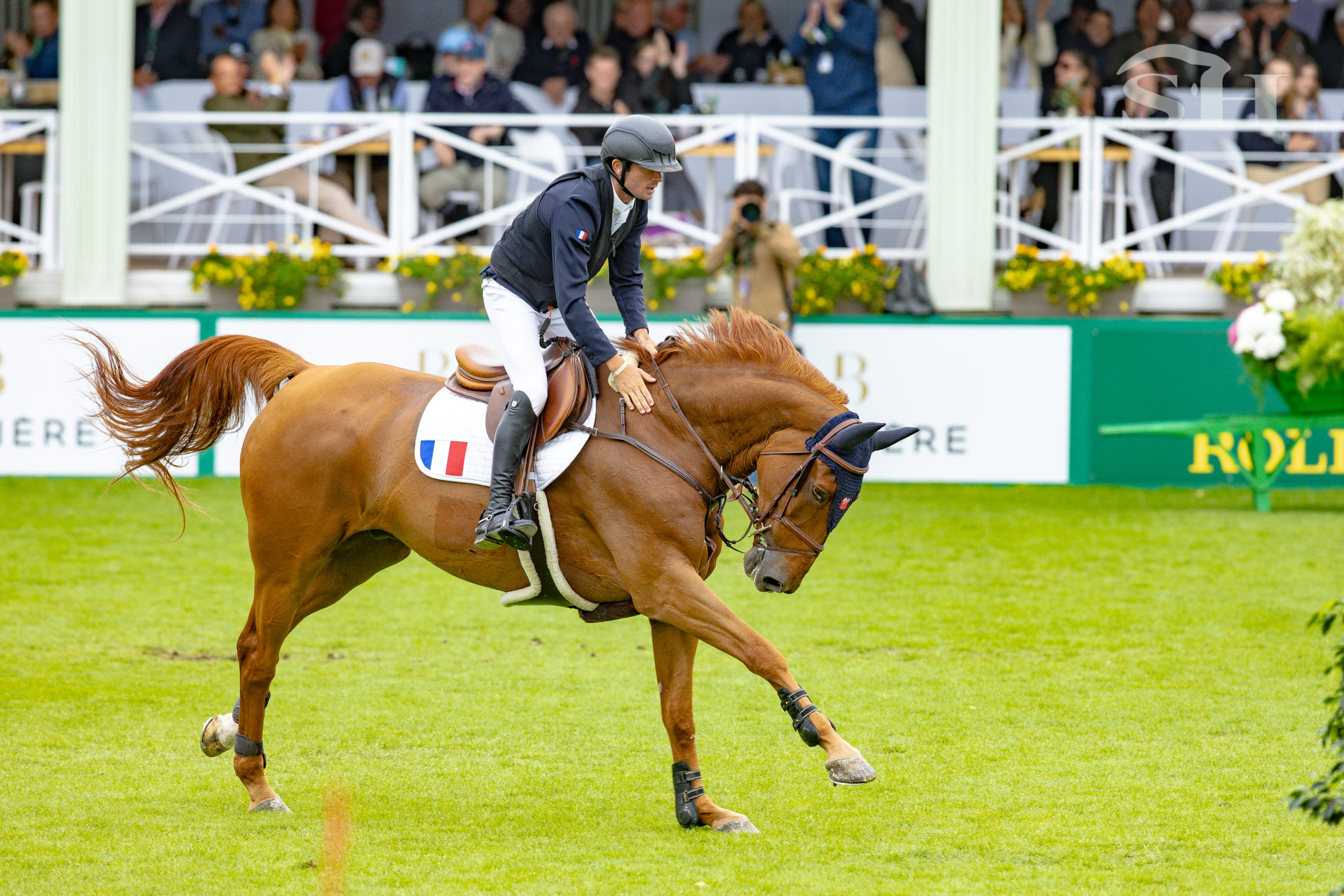
The sentence is simple, but it says everything. For the French, La Baule is not just another stop. It is a family home with grandstands, a grass arena and a memory that can sometimes become a little heavy. Nine years without a home win starts to weigh. On Friday, Antoine Ermann and Floyd des Prés helped lift that weight from France’s shoulders.
Perreau solid, Mallevaey in tougher waters
Olivier Perreau also played an important role in France’s comeback. With Dorai d’Aiguilly, he had conceded four faults in the first round before setting the record straight on his second appearance. Clear. Job done. The kind of correction that matters in a Nations Cup, because it prevents the day from sliding the wrong way.
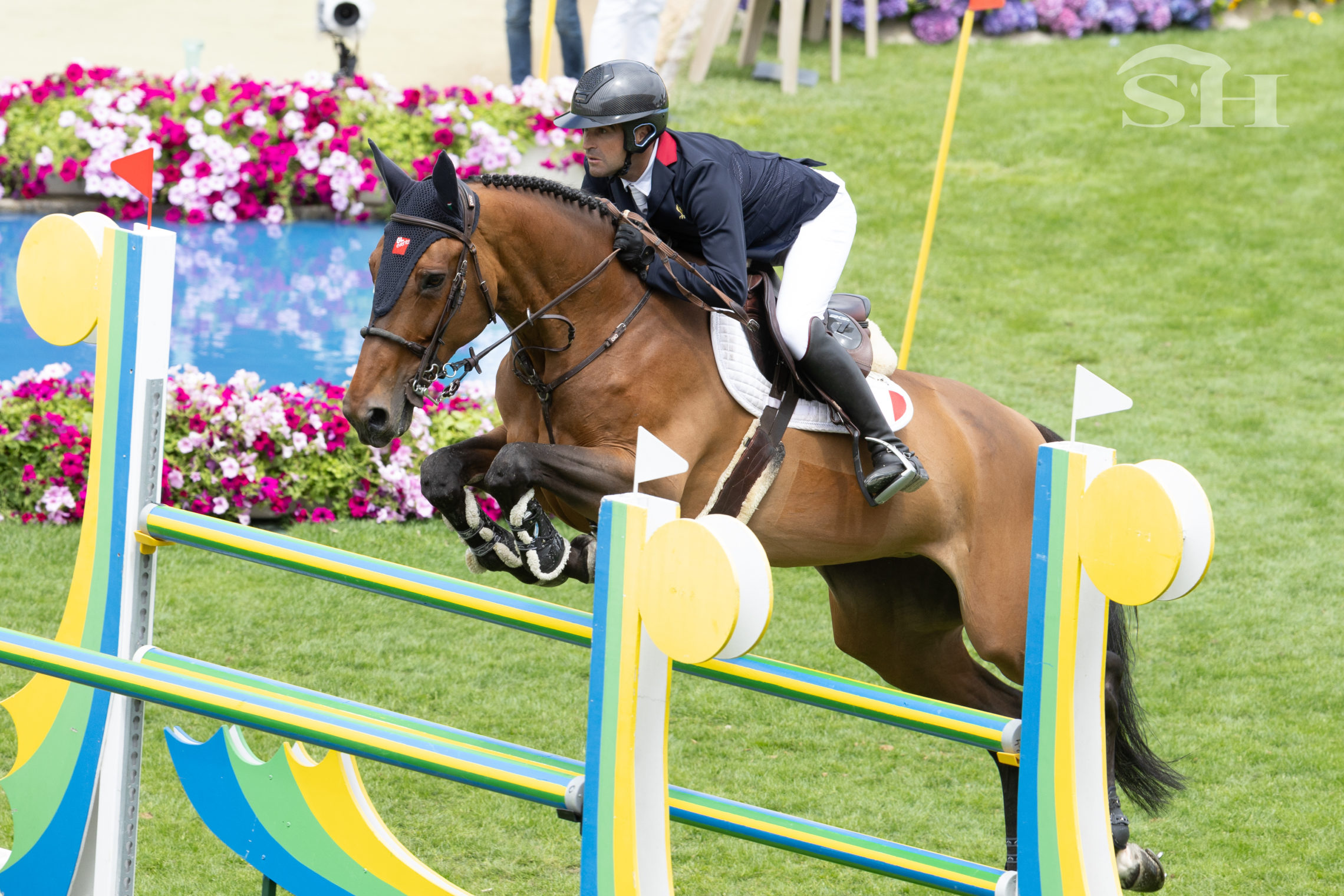
Nina Mallevaey and Dinastie de Beaufour experienced the opposite scenario, going from clear to four faults. But that is also the law of team competitions: nobody always gets through two rounds without a tremor. For France, the essential part lay elsewhere. When it had to close ranks, Les Bleus found the shoulders to do it.
And that is exactly what made the difference.
Ireland rises again
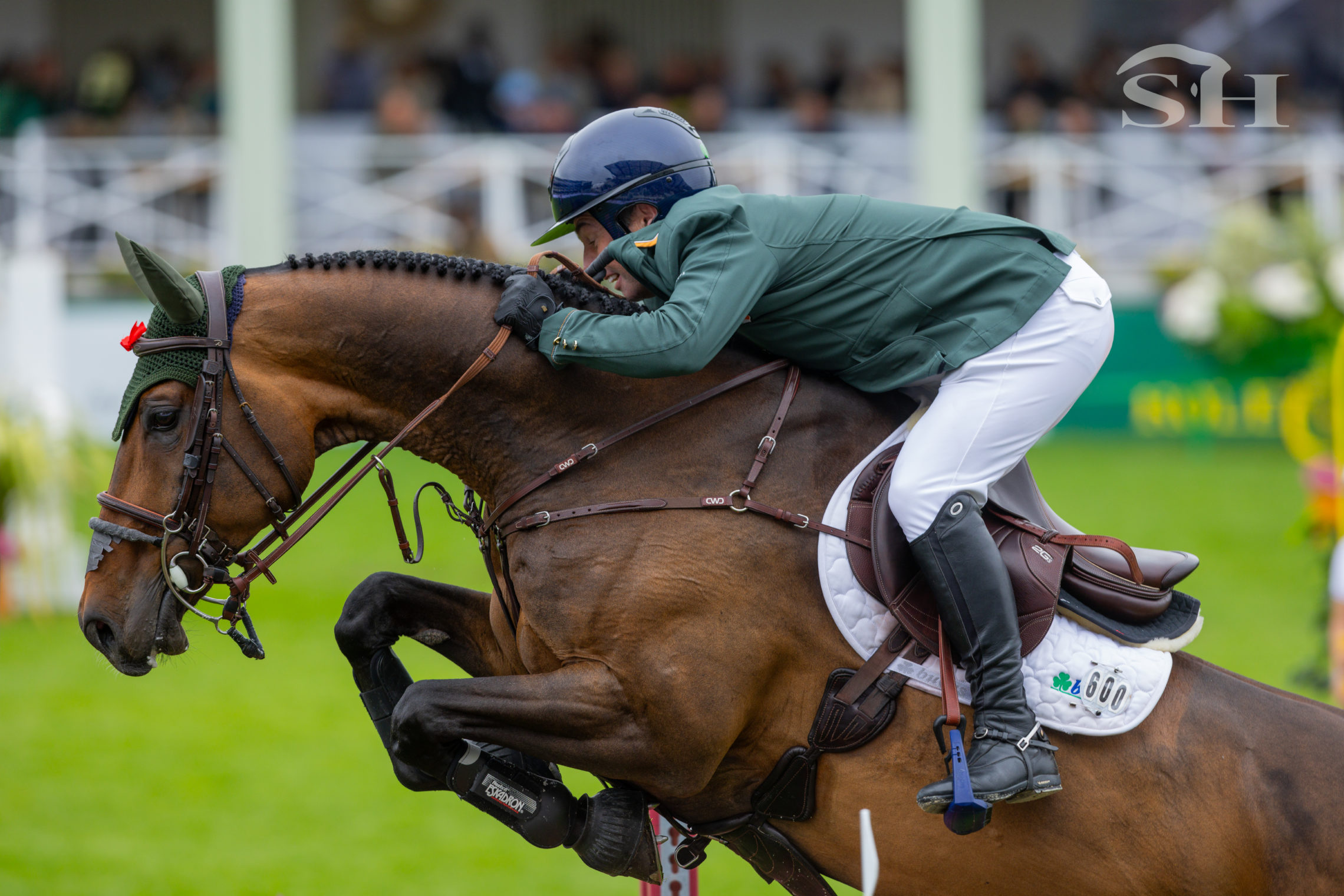
Ireland, meanwhile, followed the opposite path to Germany. After a first round that was far from ideal, the Irish straightened things out with three clears in the second round. Very Irish, really: not always immaculate at the start, rarely out of the picture at the finish. They completed the podium with that ability to turn a bad story into a respectable result.
Belgium fifth, between regrets and preparation
For Belgium, the day ended in fifth place. A mixed result for the Red Musketeers, capable of good things but too inconsistent to aim for the podium. The first round had started badly with 16 faults for Nicola Philippaerts and Katanga van het Dingeshof, before a better second effort on four faults.
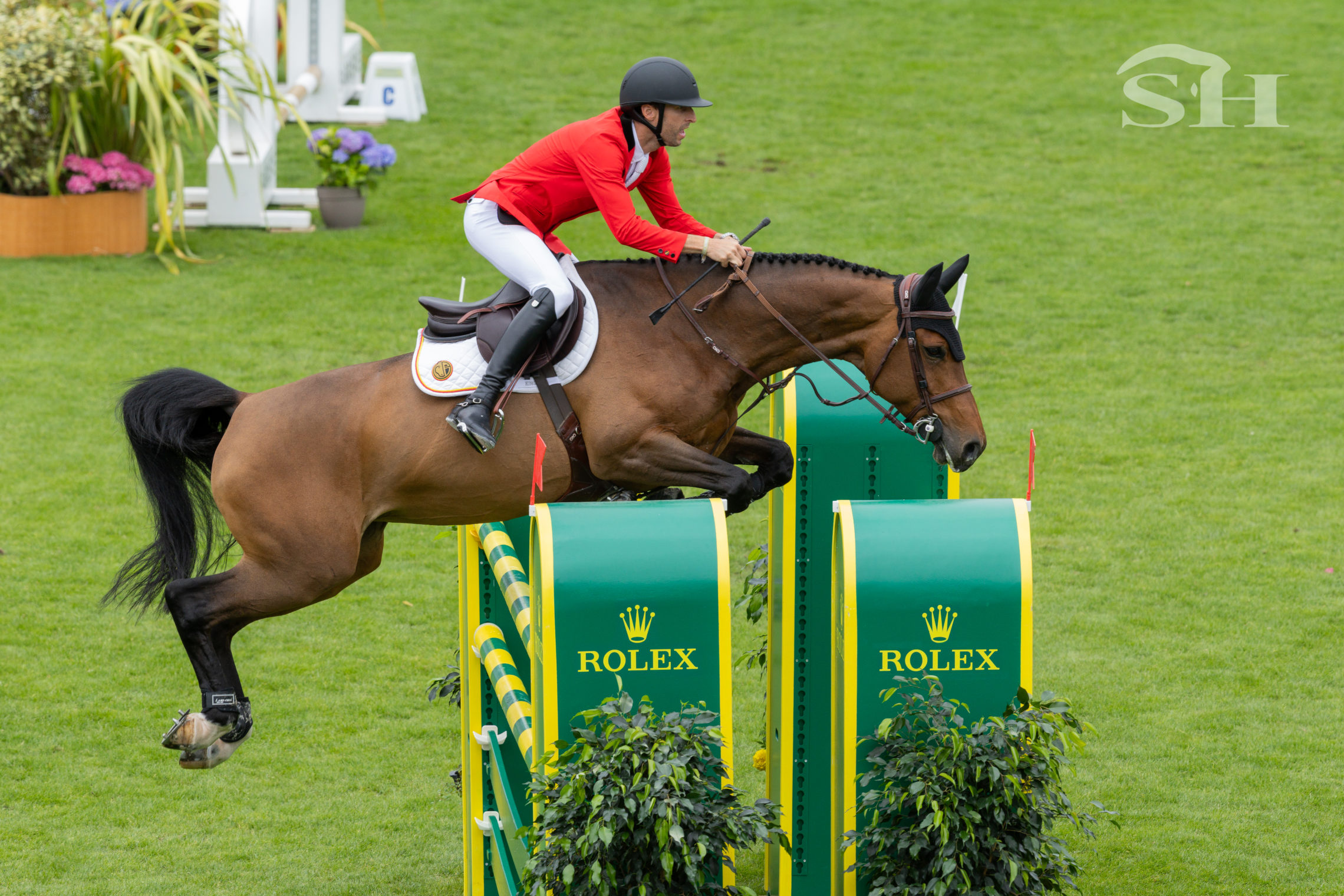
The real Belgian satisfaction came from Pieter Devos and Casual DV Z, who delivered the team’s only double clear. “I’m super happy with my mare,” the Belgian rider summed up. “She jumped two really good rounds. With such a strong team, you always hope for more, but it wasn’t that easy. There were faults everywhere.”
Gilles Thomas and Ermitage Kalone also left a positive impression, with a clear round and one time penalty. For the world number five, the main point was above all to see his horse getting back into the right rhythm after a quieter spell.
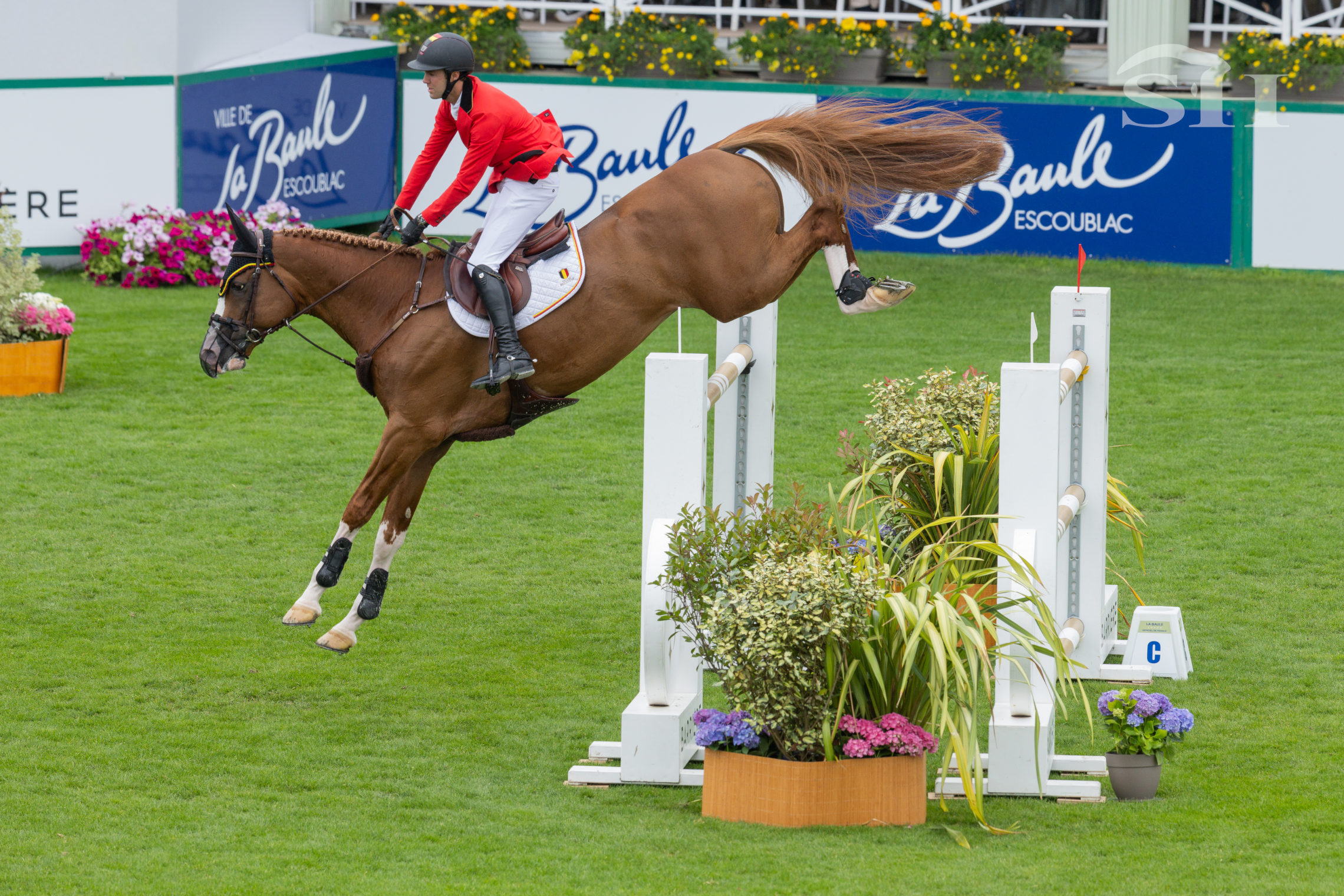
The same logic applied to Grégory Wathelet and Bond Jamesbond de Hay, still lacking a little fitness, but reassuring in attitude.
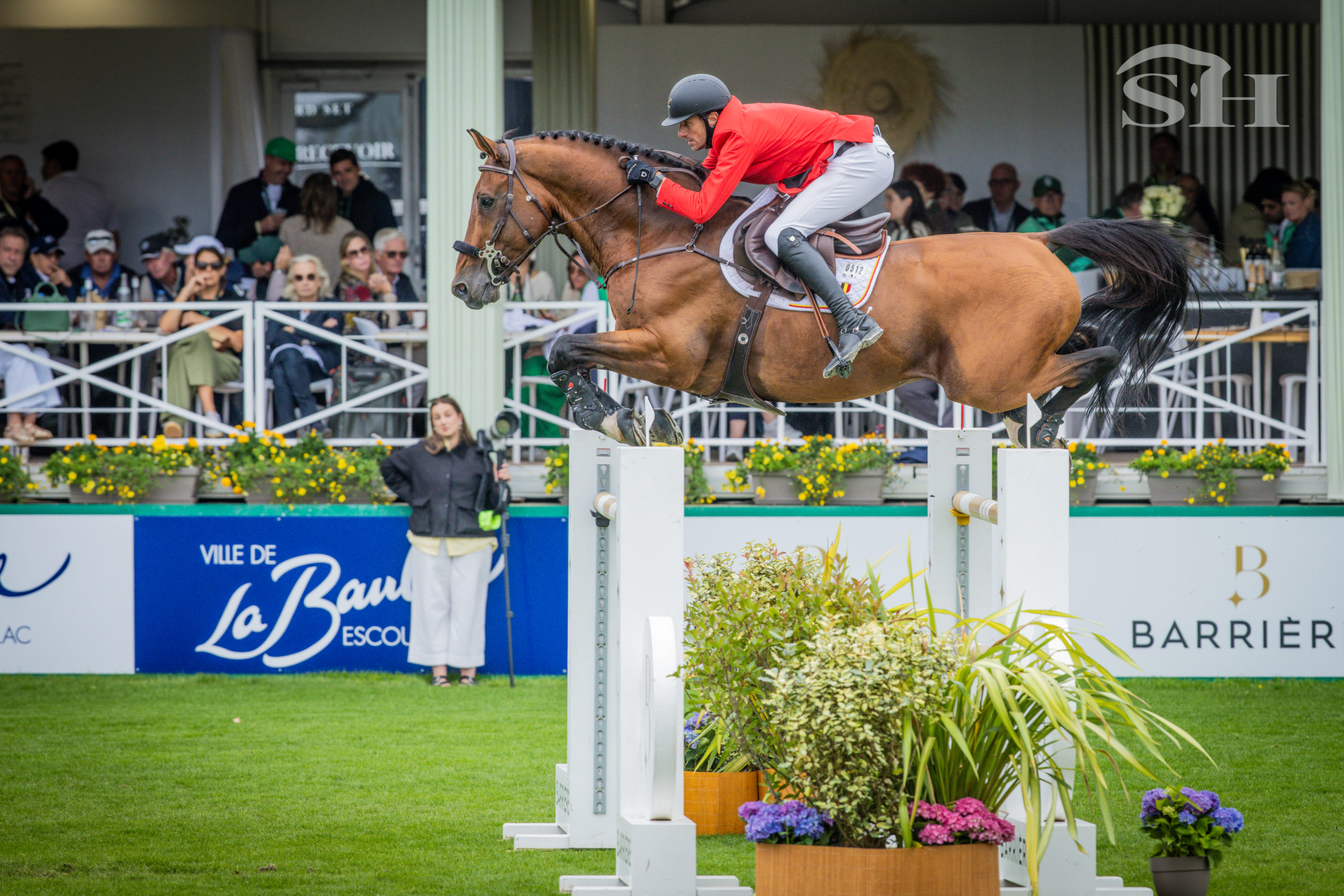
Peter Weinberg, the Belgian chef d’équipe, was not drawing any definitive conclusions either. The selection for the World Championships in Aachen will be decided later, after Rotterdam and Valkenswaard. “The most important thing is August,” he reminded everyone. And with two months to go before a World Championship that will also serve as a qualifier for the Los Angeles 2028 Olympic Games, Belgium knows that the real verdict was not delivered in La Baule.
Find the full results of the La Baule Nations Cup here.