



For a long time, the sport horse trade looked like a relatively simple equation. Find a good horse, produce it, then find it a buyer. Today, the final step has become the easiest one.
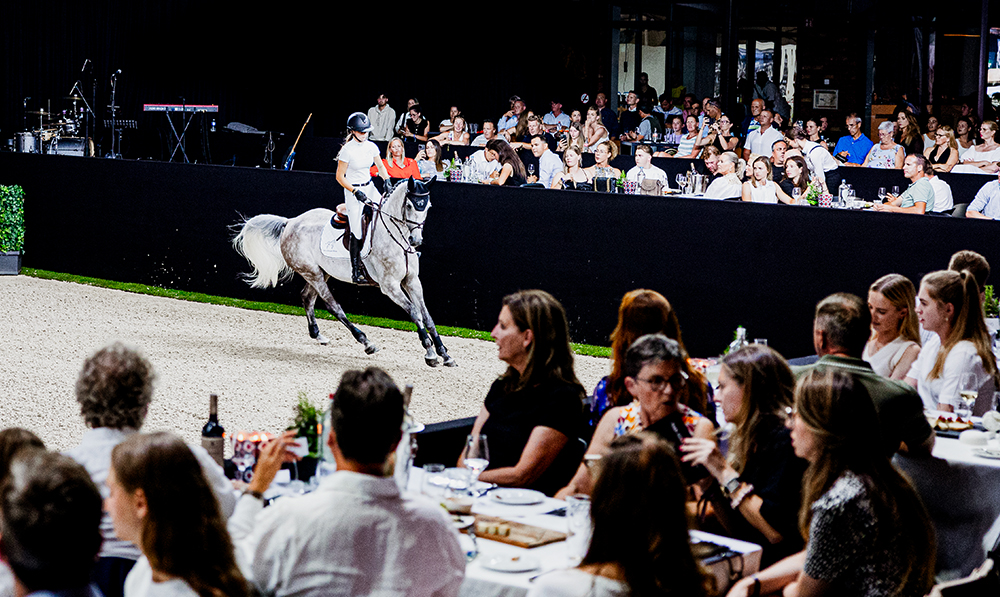
A few days before the new edition of The Collection Auction, which returns to Peelbergen in its hybrid format, both online and live, Carlos Pinto of Milestone Farm and Steve Tinti of ST Stables make the same observation: the real challenge is no longer selling a star. It is finding one.
The hunt before the sale
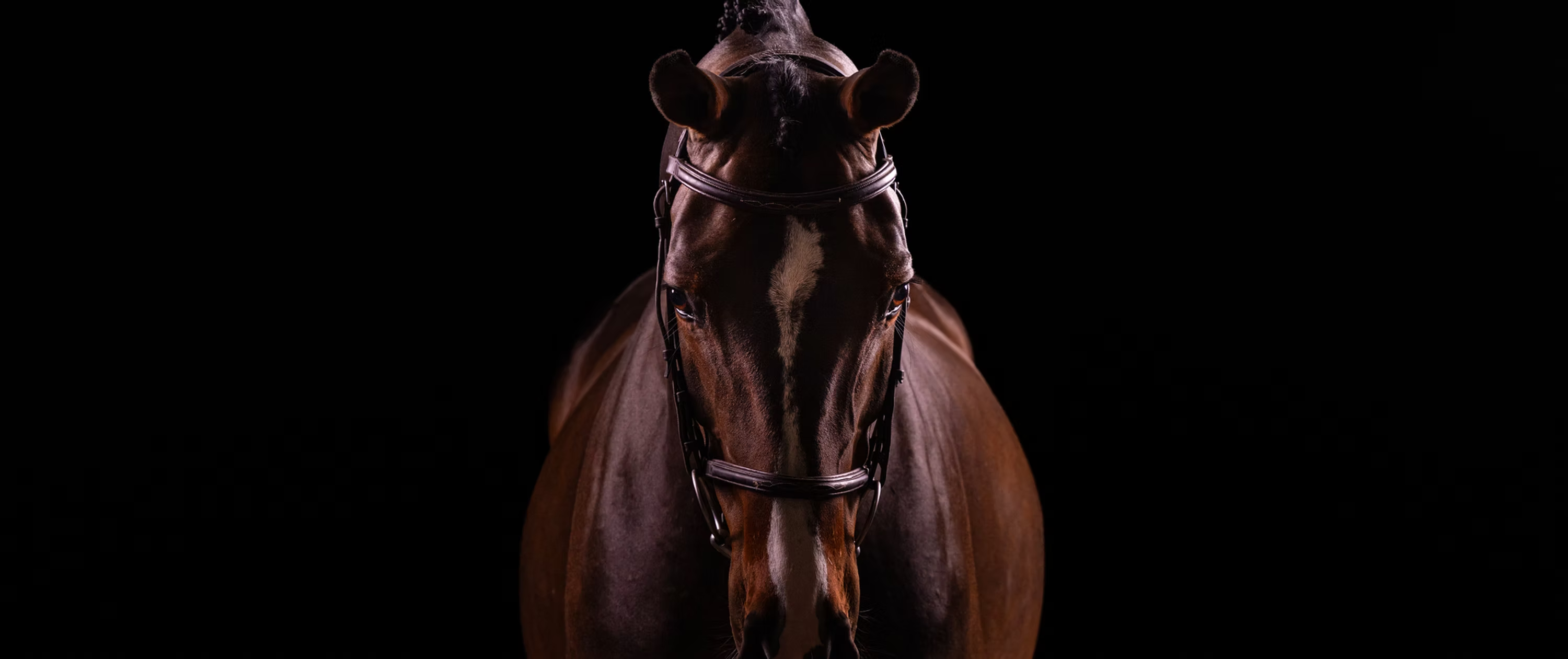
« Today, the problem is not selling the horses. The problem is finding them ” sums up Carlos Pinto.
The reason is simple. Top-level sport has never consumed so many horses.
Between CSI5* shows, the Global Champions Tour, the Nations League and the multiplication of international competitions, demand for horses capable of performing at the highest level keeps rising.
And when a real Grand Prix horse appears, it rarely stays on the market.
« When they are there, they are no longer for sale ,” says Pinto. Owners have become patrons. They want to see their horses jump at the highest level. »
The days when a rider produced a horse with the idea of selling it quickly seem further and further away.
The detective job
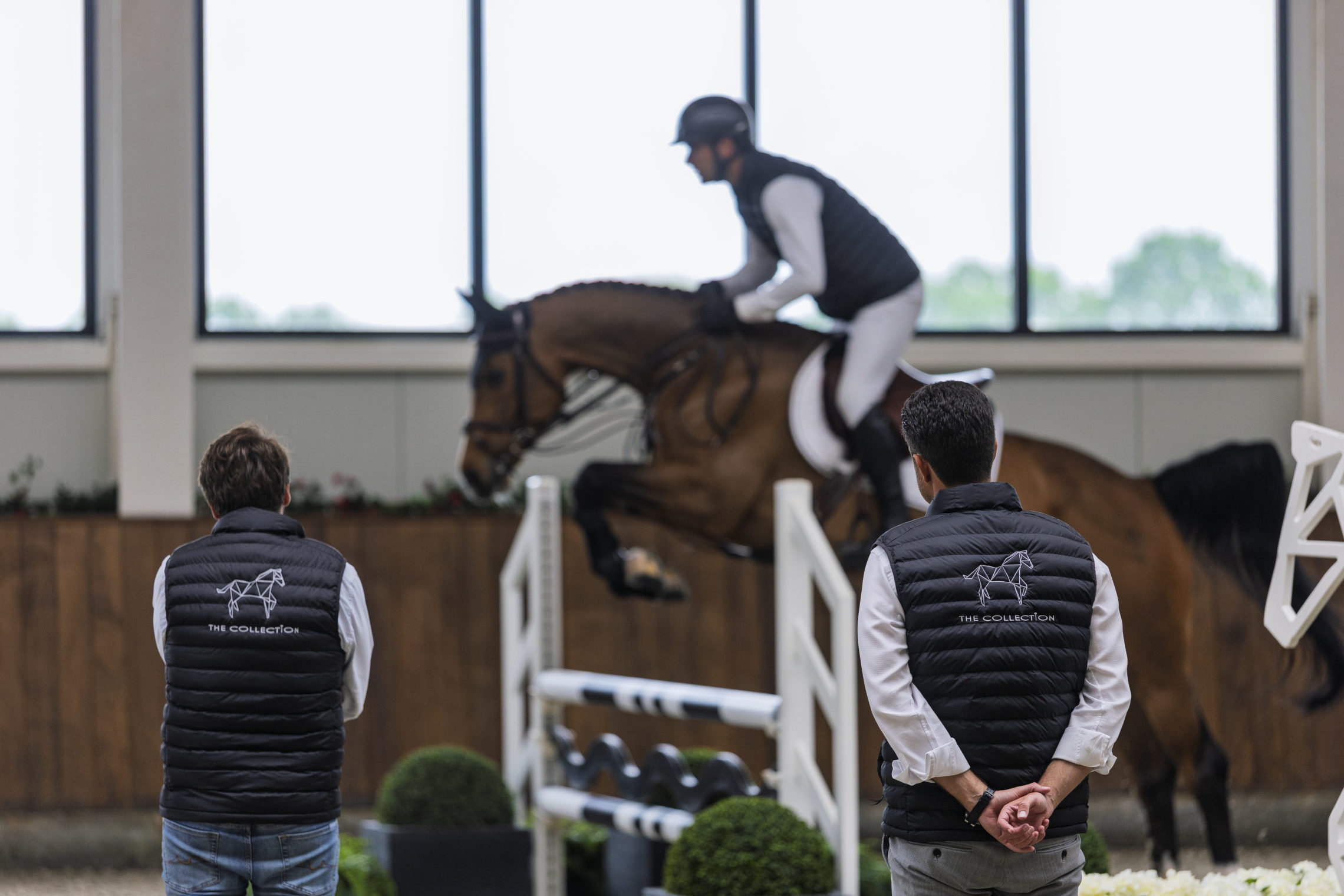
This evolution has changed the daily life of dealers.
To find a future star, there is no point waiting until it wins a Grand Prix.
By then, it is often already too late.
« You have to spot them earlier and earlier ” explains Steve Tinti. ” Once they start to blossom in CSI classes, owners become much less willing to sell. Or then at prices that are already almost unaffordable.”
Prospecting, then, does not happen from the grandstands of the biggest shows.
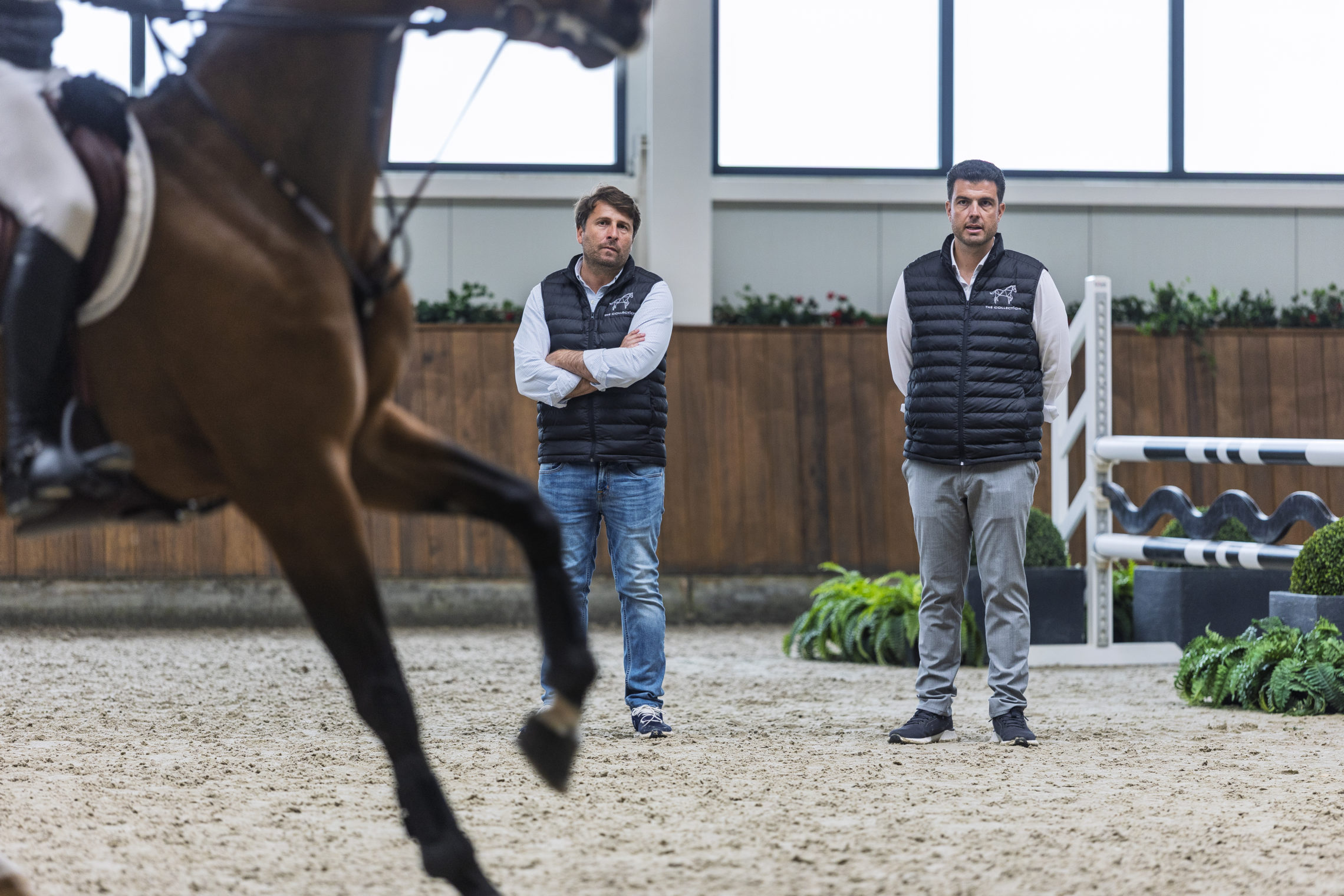
It often starts much lower down.
« You have to be at shows often, but not necessarily at the very top level. We look at CSI2* shows, young horse classes, national shows, regional shows. »
A field job closer to scouting for a football academy than to traditional trading.
The clear-round trap
What makes the exercise even more complex is that a star horse cannot always be read through results.
Steve Tinti readily admits it: he works first and foremost on feeling.
Of course, a good clear-round percentage catches the eye. But a young horse can pick up faults for a thousand reasons: lack of physical maturity, the wrong programme, unsuitable shoeing or simply a system that does not fit.
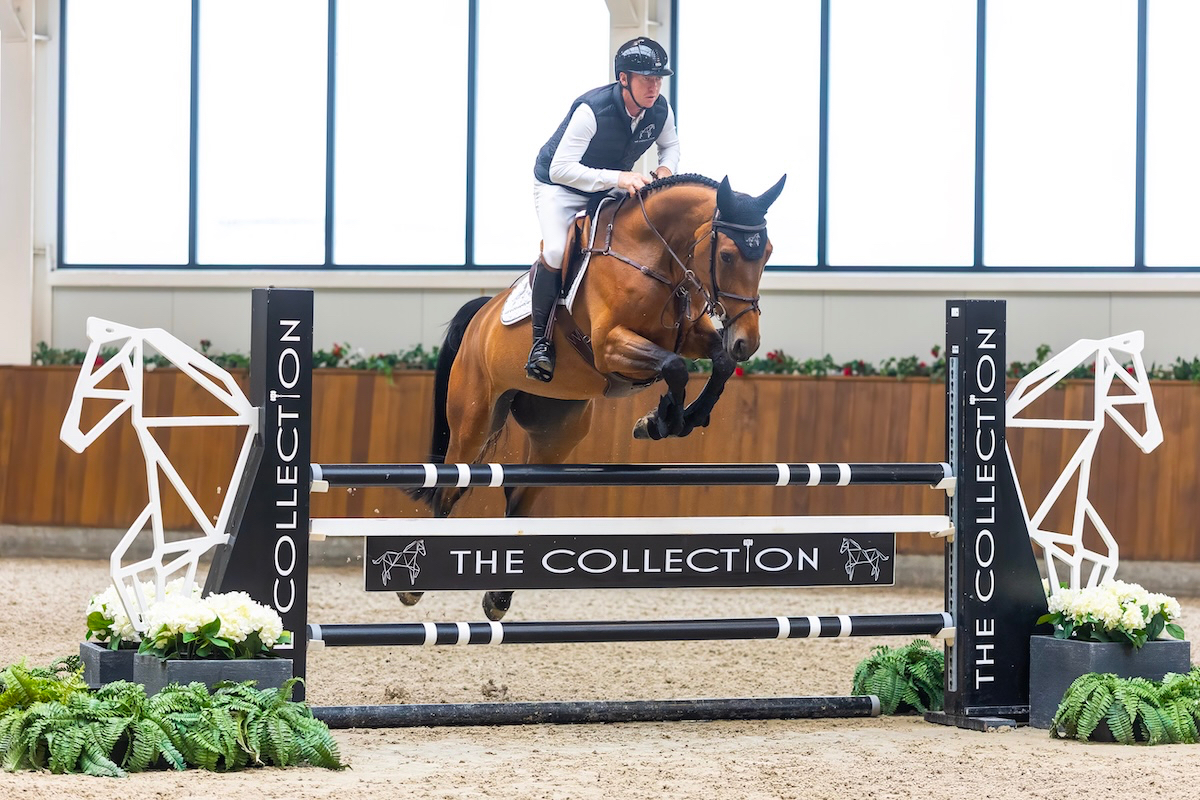
« A lot of horses that become very good were not necessarily the best at five or six years old. »
Carlos Pinto goes even further.
For him, the system in which the horse develops can sometimes matter as much as its raw talent.
A promising horse placed in the right hands can explode at nine or ten. Another, however impressive at six, may never make the step up.
Why the auction now presents more older horses
The Collection Auction will take place on Friday, July 3, 2026, from 6 p.m. at Peelbergen, during the semi-final of the Longines EEF Series (the two events should, incidentally, continue to coexist in the coming years).
To define this seventh edition, Steve Tinti speaks of a collection in which we will see “ a lot of horses at a high level in the coming years ».
Carlos Pinto sums it up in one word: “ exciting ”. Before adding: “ It is not just a dream anymore, it is already starting to become reality. »
That reality also explains the gradual evolution of The Collection Auction.
In the first editions, the horses were often younger.
Today, Pinto, Tinti & Co take more risks by keeping certain prospects until they are seven or eight years old.
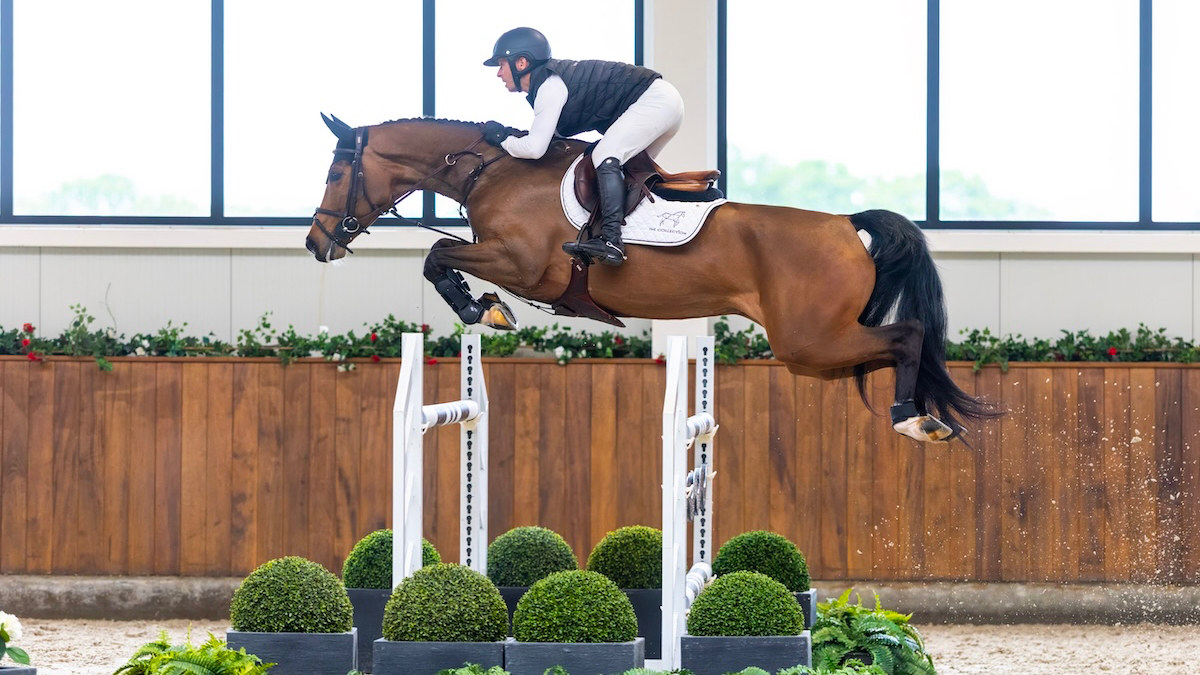
The goal is simple: to offer buyers horses whose potential is no longer only theoretical.
« Before, it was a bit of a dream ” Pinto sums up.
Today, several horses in the catalogue are already jumping 1.40m or 1.45m and have solid sporting references.
« It is no longer only a dream. It is almost starting to become reality. »
A philosophy reflected in the 2026 catalogue, made up almost exclusively of six-, seven- and eight-year-old horses.
Behind every horse, thousands of kilometres
A star horse is not just a pedigree.
It is also a matter of timing, training and patience.
At The Collection Auction, production is an integral part of the project. Carlos Pinto also insists on the importance of the work carried out before the horses even appear in the catalogue.
« We try to produce these horses in the best possible conditions and bring them to the market at the right moment " he explains.
In concrete terms, that means tours such as the Sunshine Tour, several weeks of competition on educational arenas, a programme adapted to each individual, and above all a progression designed for the long term.
The aim is not to skip steps in order to impress the market at five years old. Quite the opposite.
« “We let the four- and five-year-olds grow quietly,” Pinto explains. “From six years old, when they are physically and mentally ready, we start taking them out more. »
A philosophy that cuts against the permanent race for early results.
Car pour les organisateurs, la vraie valeur d’un cheval ne se mesure pas seulement à ce qu’il montre aujourd’hui, mais surtout à ce qu’il pourra encore montrer dans trois, cinq ou dix ans.
This logic also explains why several horses in the sale have been kept longer than initially planned.
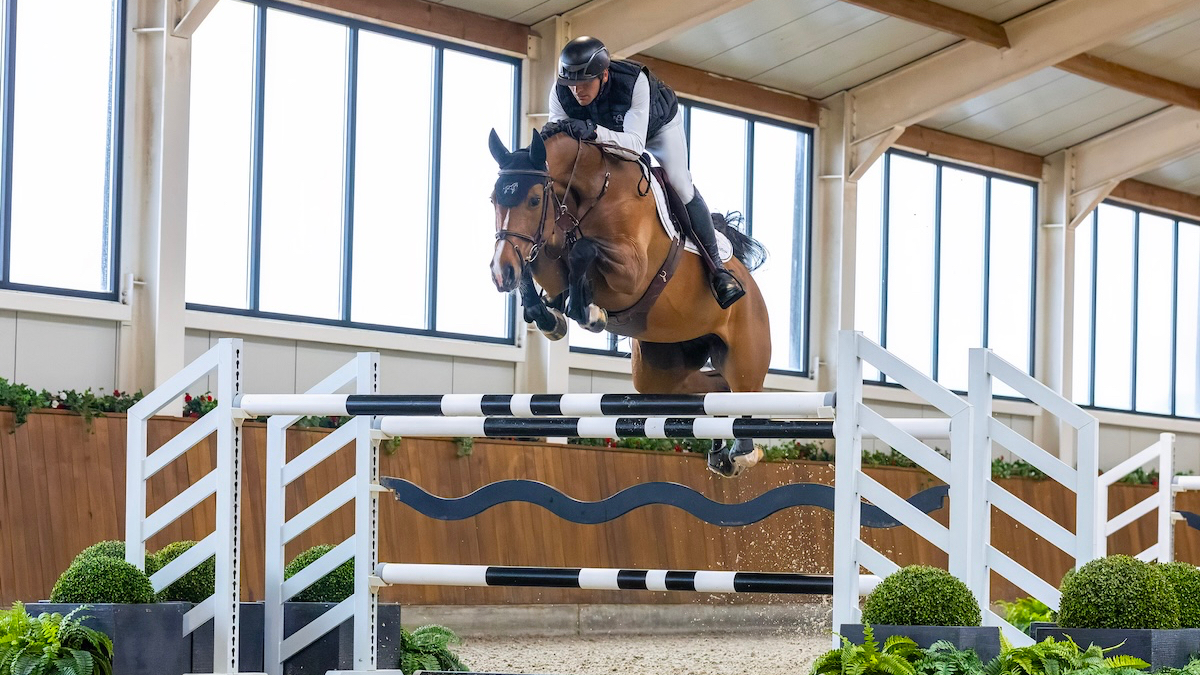
« We already thought about presenting Paisley last year” says Pinto. “But we preferred to give him one more year. Today, we are happy we waited and perfected his training. »
In a market often obsessed with immediacy, that patience has become a form of luxury. And perhaps even one of the signatures of The Collection Auction.
Twenty-two horses, years of work
Behind the twenty-two horses presented this year lies much more than a few months of selection.
« Years of work ,” Steve Tinti immediately corrects.
Some horses have been followed since their youngest years. Others were even bred directly within the organisers’ own structures.
Every candidate goes through a long process of observation, production and selection before making it into the final collection.
The result is deliberately tight.
No XXL catalogue. No dozens of lots.
Only twenty-two profiles the organisers would be ready to buy themselves.
The three hunters, a signature touch
As every year, three hunters have slipped in among the showjumpers. A mark of the know-how of Willemijn, Carlos’ wife, a specialist in the discipline.
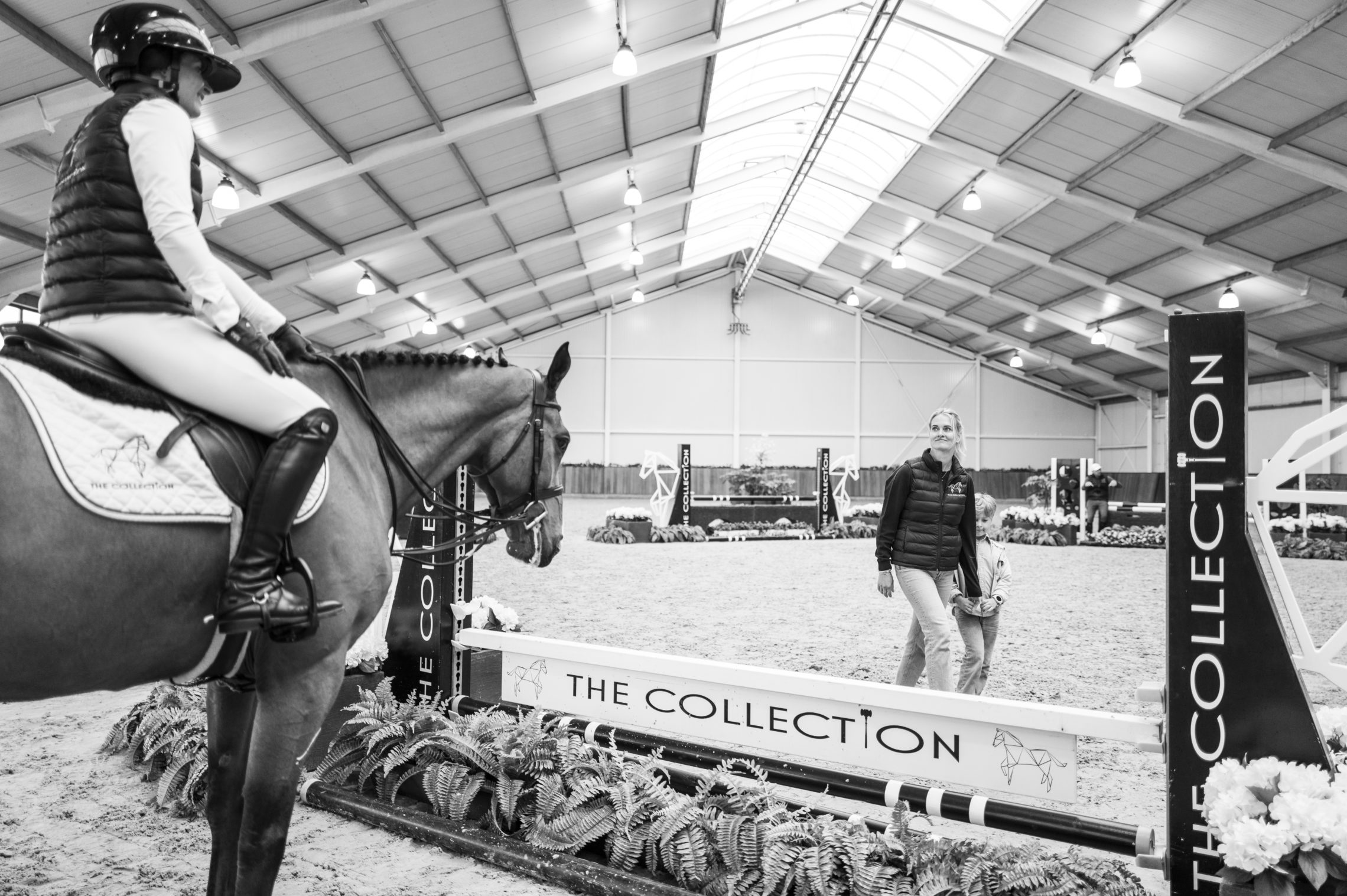
A signature that has almost become a trademark.
« We were among the first to mix jumping and hunter horses in the same auction ”, Pinto recalls.
A choice aimed mainly at the American market, the almost exclusive destination for this discipline.
A tradition that brings a different colour to a sale largely focused on showjumping, while also reminding us that talent does not always express itself between two Grand Prix wings.
A successful sale is not just a record bid
In a market where figures often take up all the light, Steve Tinti defends another definition of success.
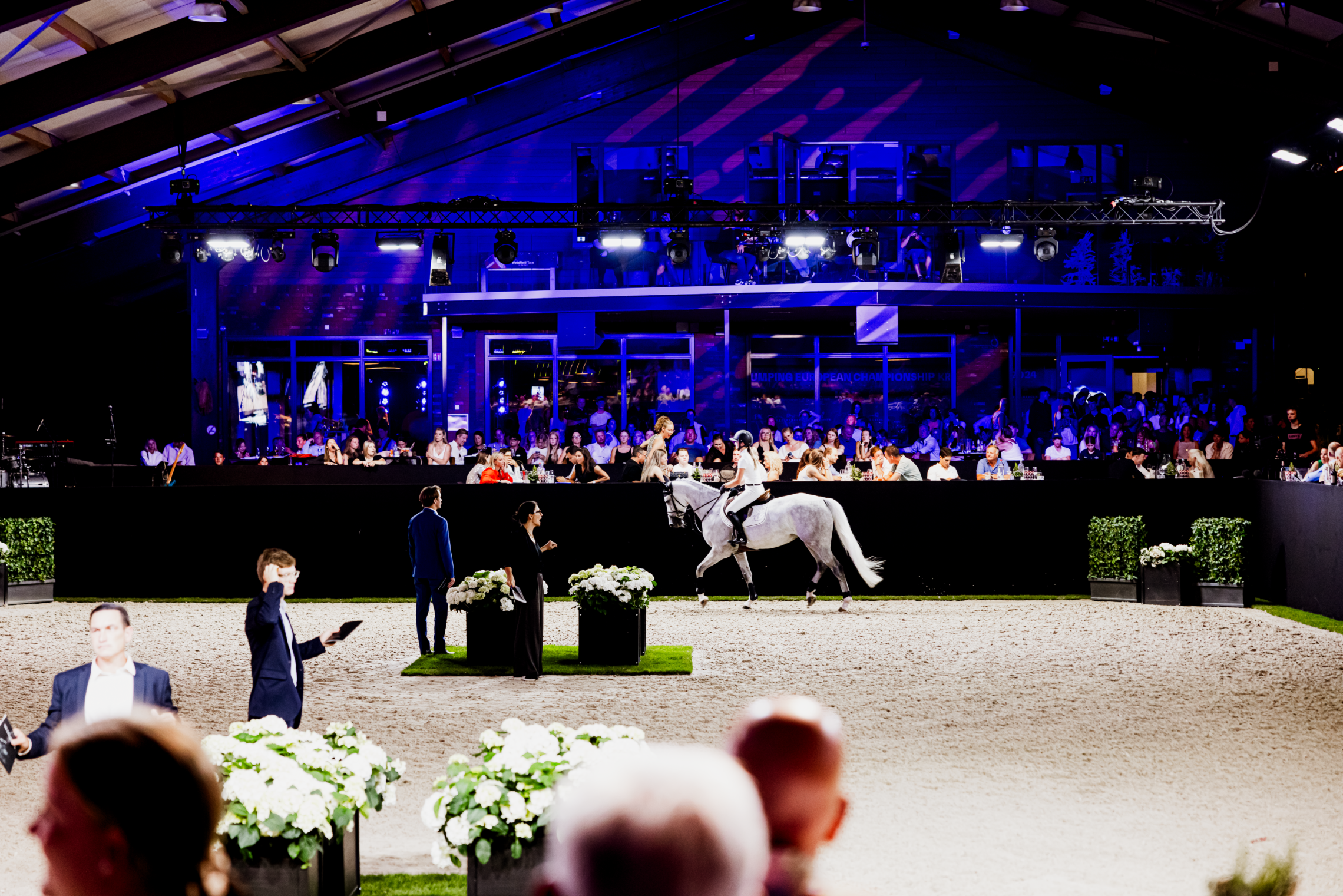
For him, a successful sale is not the one with the highest price.
It is the one that creates the right match.
« If an amateur rider achieves his goal with his horse at 1.40m, that is just as much a success as someone placing in a five-star Grand Prix. »
A vision that probably explains why The Collection Auction continues to cultivate a particular reputation within the European landscape.
Because beyond the bidding, the goal always remains the same: to identify today the horses everyone will be talking about tomorrow.
Find the full catalogue of The Collection Auction 2026 here.
Contacts:
CARLOS PINTO +31 618 206 611
STEVE TINTI +32 483 716 027
WILLEMIJN POELS +31 623 227 595
Photos © The Collection Auction