


They had not come to Aachen with a “medal or nothing” sign hanging around their necks. With two young horses, combinations still under construction and two riders discovering a World Championship, Belgium knew that a miracle was not really on the programme. It leaves ninth, without a medal and without a direct ticket to Los Angeles 2028. But with far more certainties than it had on arrival. And sometimes, that is also what a championship is for.
No miracle, and that was not really the point
There are two ways to read a ranking. The first is to scroll down the column until you find the little Belgian flag, note a ninth place and close the page. Thank you, goodbye, see you in two years.
The second takes a little more time.
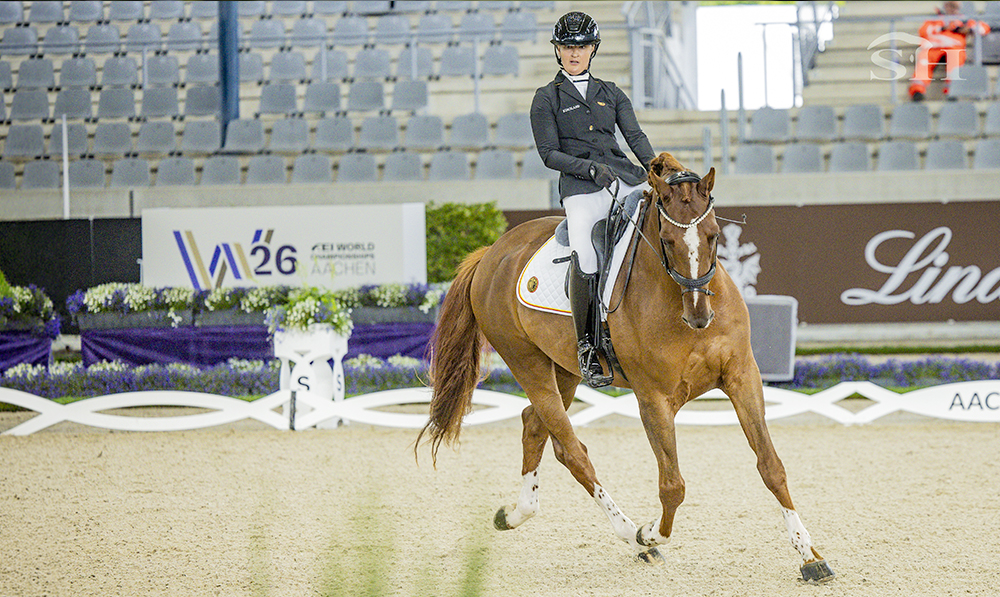
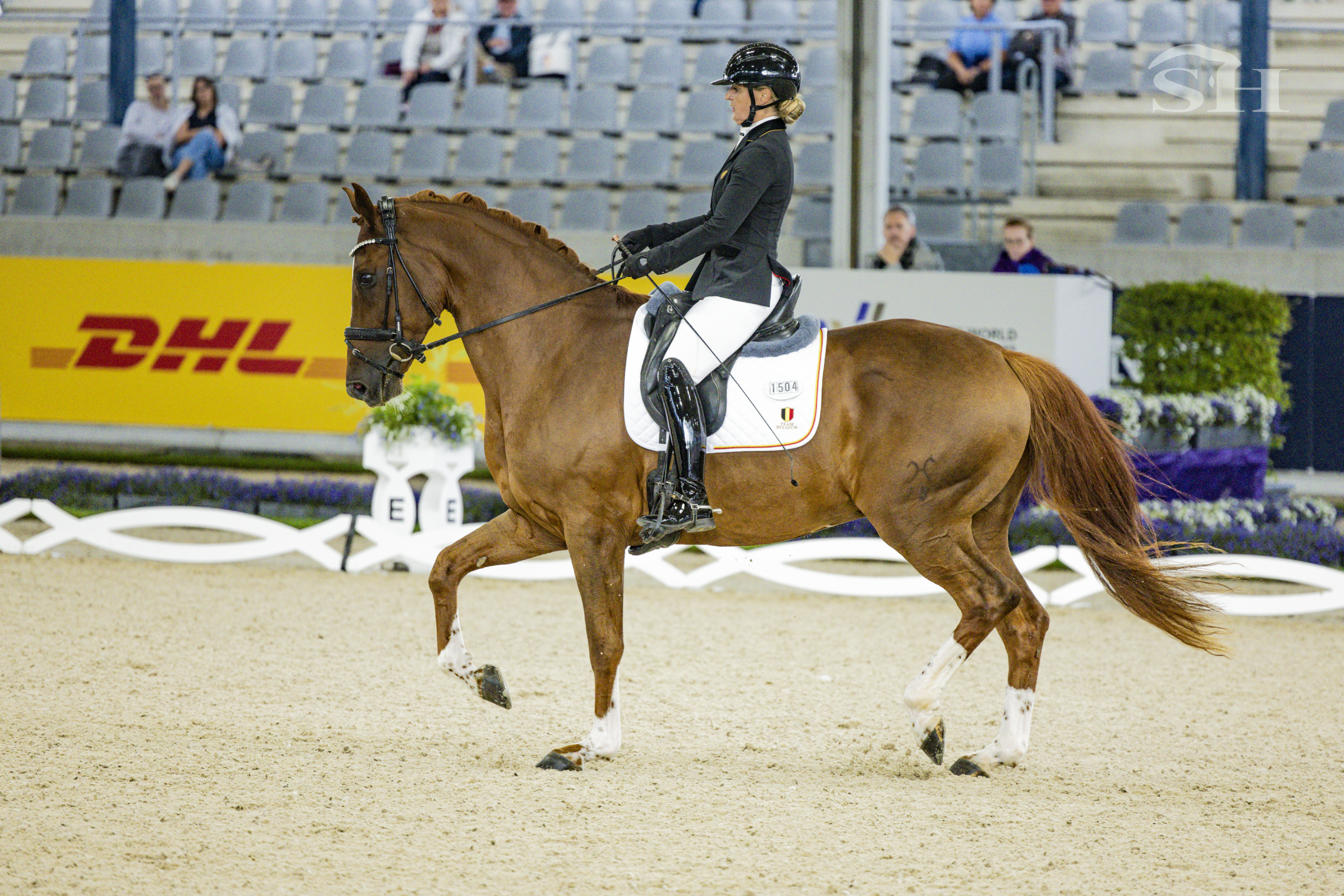
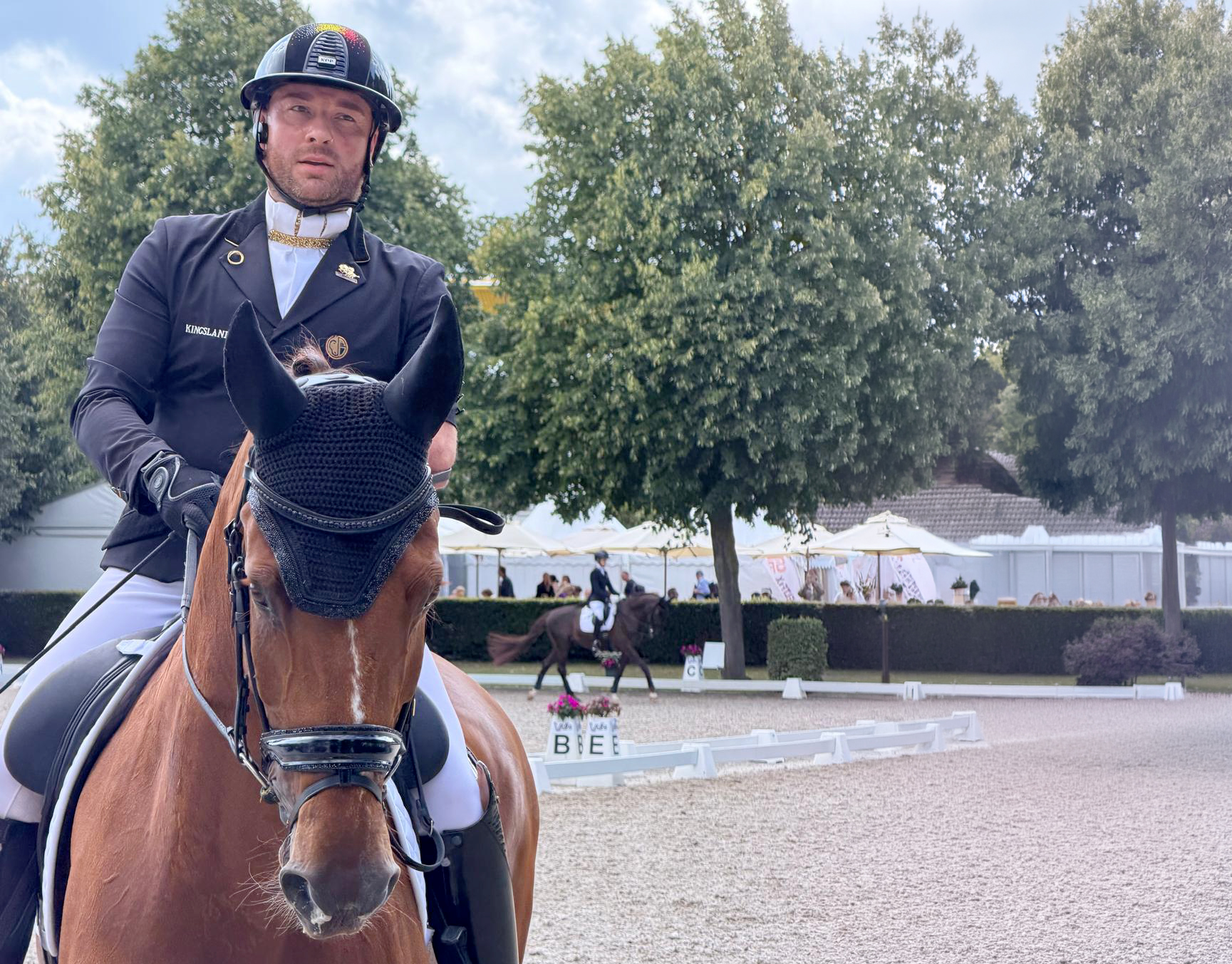
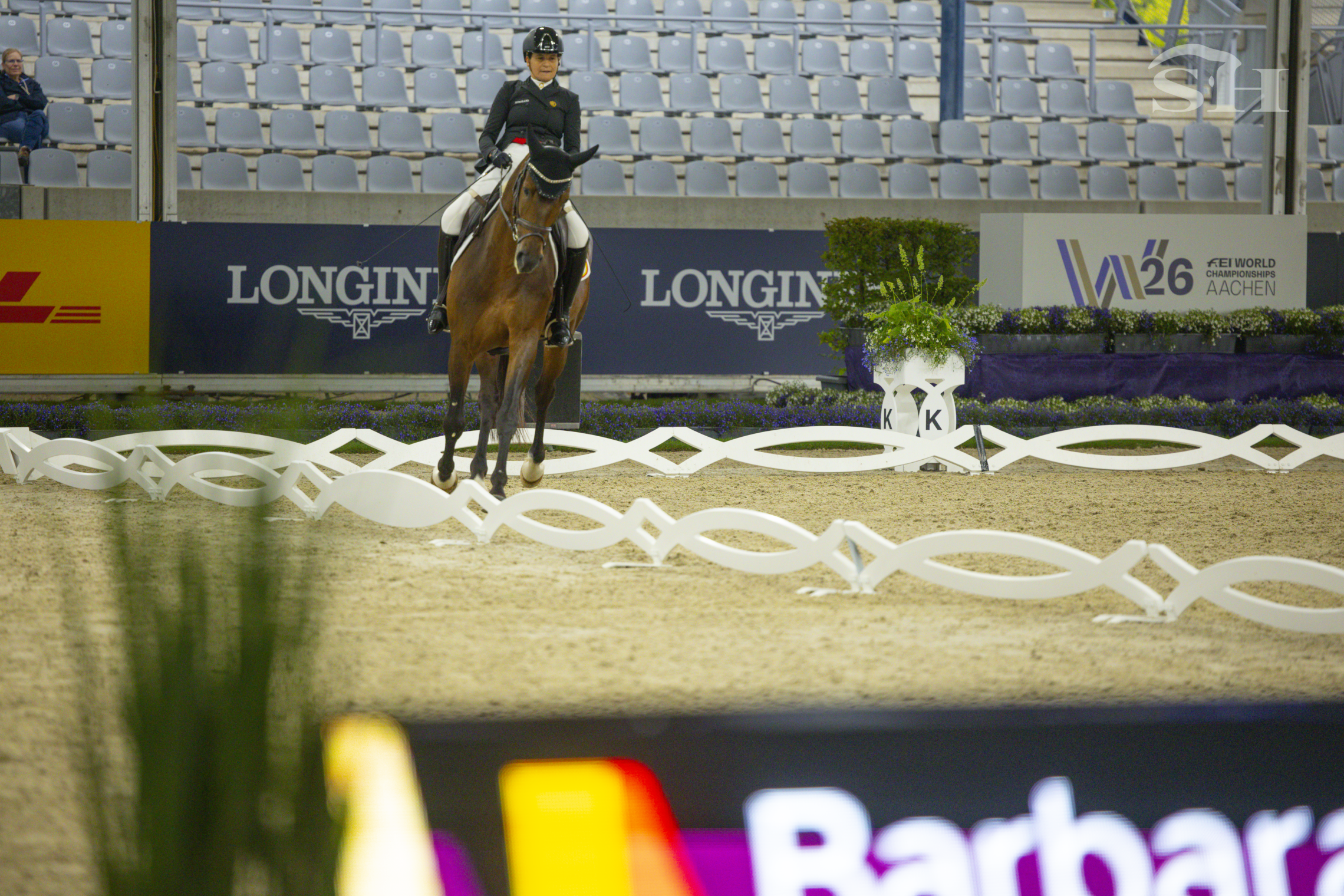
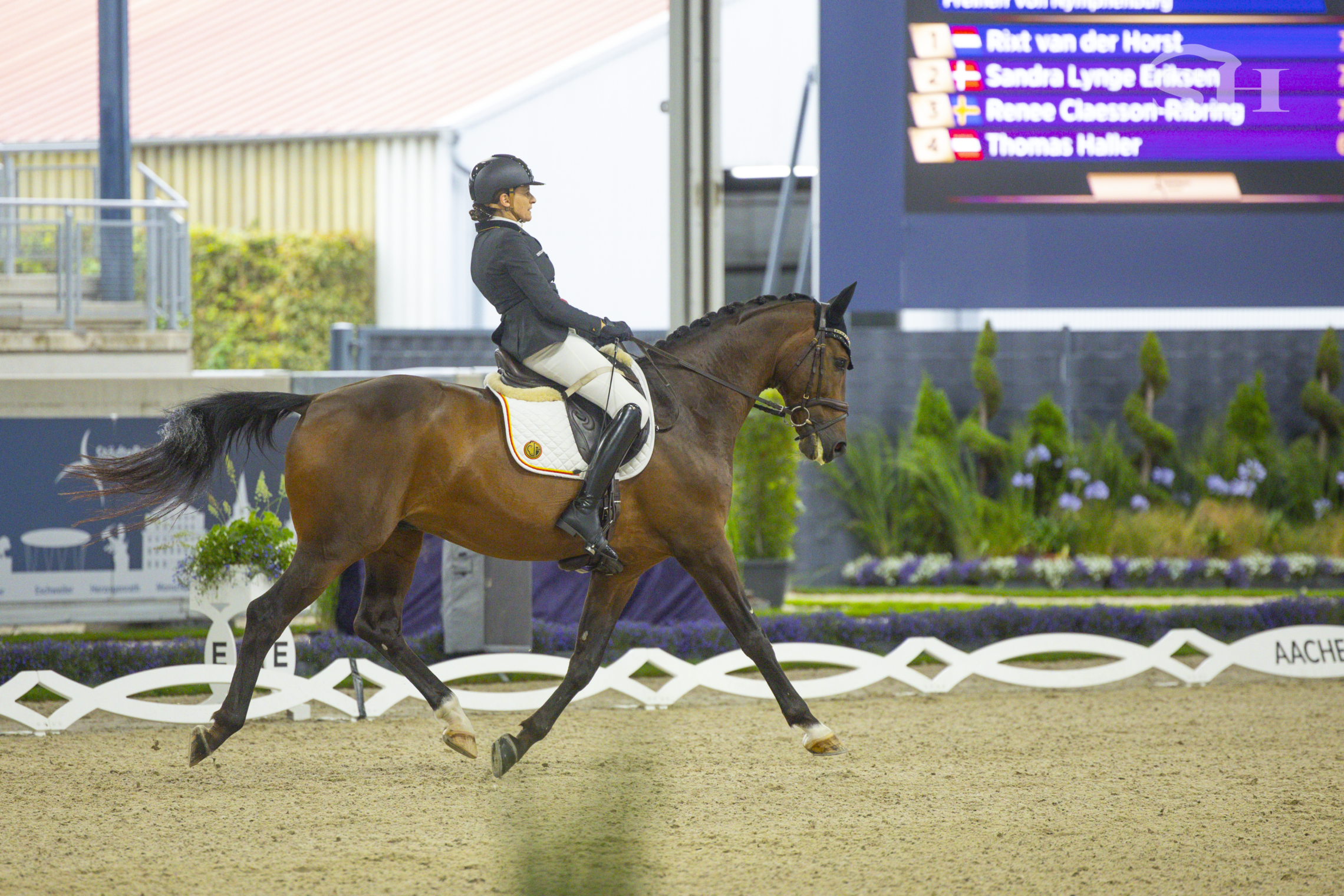
Because this Belgian para-dressage team that arrived in Aachen was not exactly a war machine programmed for four years to bring home a medal. Barbara Minneci presented Freiherr von Nymphenburg, une monture avec laquelle elle n’en était qu’à ses premières sorties internationales. Emma Vercammen,18, was discovering the World Championships with Odin, seven years old. Francesca Vanhoeck was also experiencing her first Worlds with the young Fastlane van ’t Beekhof. And Kevin Van Ham , for his part, had brought back Eros van Ons Heem, his old partner in crime, to provide a little stability among all these new faces.
On paper, then, you could dream. But it was probably better not to order the medals before dessert.
And yet Belgium was not that far from pulling off something huge.
Ninth. And a place that matters
The numbers tell part of the story.
In Grade III, Barbara Minneci and Freiherr started with 70.267% and 11th place in the Grand Prix A, before scoring 69.667% and 12th place in the team test.
Emma Vercammen and Odin went the other way: 66,167 % on their first plunge into the deep end, then a clear improvement with 69,400 %, a new personal best, in the Grand Prix B.
In Grade V, Kevin Van Ham and Eros showed the consistency expected from the old hands: 69.436% and 11th place, and 68.816% and 10th place in the team test. Francesca Vanhoeck and Fastlane had started very nicely with 69.282% and 12th place, before the tension played a bigger role in the second test: 64,000 %.
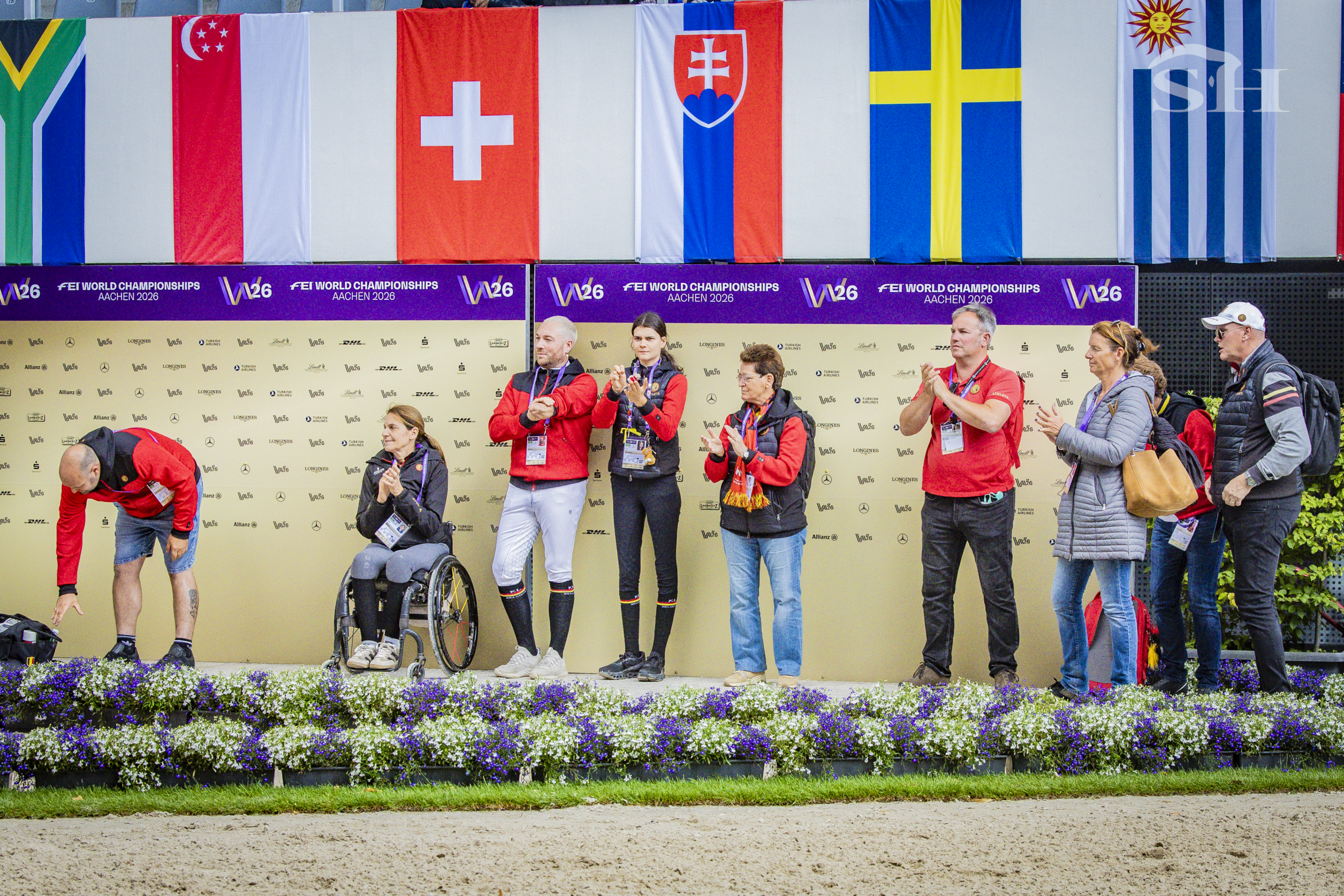
In the final standings, Belgium finished ninth. The United States became world champions ahead of Germany and the Netherlands. And above all, the seven best nations excluding the United States, already qualified as host country, secured their ticket to the Los Angeles Paralympic Games.
Belgium therefore remains on the platform. One place away from the final ticket.
Frustrating? Obviously.
Catastrophic? Not really.
Eros, the old gentleman called back to the office
To understand the Belgian logic of these World Championships, Kevin Van Ham’s case almost sums it all up.
Eros van Ons Heem had not competed since the Paris 2024 Paralympic Games. After that? A quieter year. Fields, light work, much less pressure. At 17, the old boy had earned the right to ease off.
Except Belgium needed an anchor point.
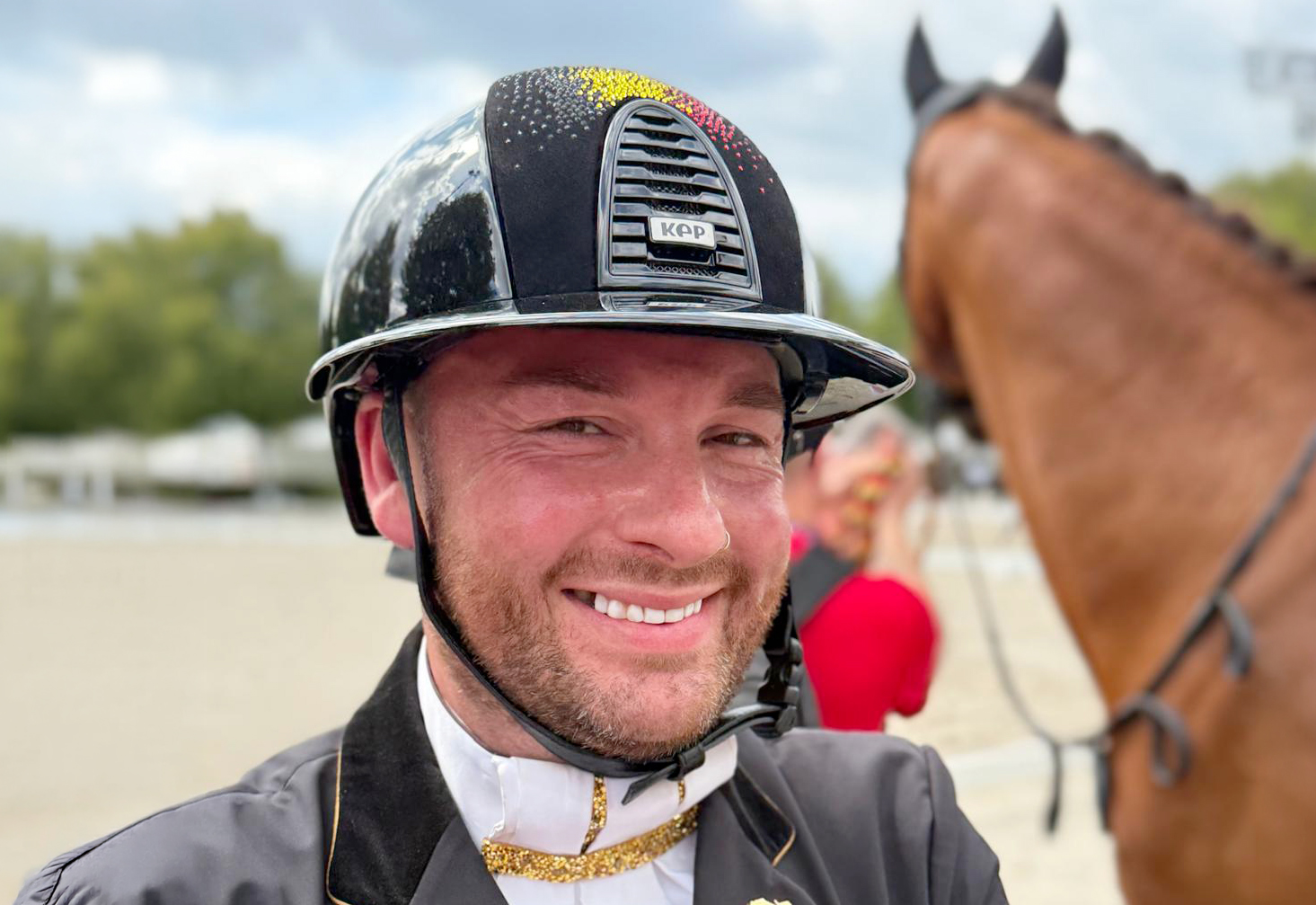
“He had to be ready this year so we could have a stable combination in the team, because we have young riders, young horses and new combinations,” Kevin explains.
So Eros came back.
Not to play national saviour. Simply to do what he has known how to do for years: come in, perform the test, reassure everyone and leave without setting fire to the house.
“I am super happy with everything we did. We tried to give our best for the team. I am really happy with the performances with Eros.”
Mission accomplished.
And for Kevin, what comes next could precisely be written without him. Or, more accurately, with the next generation. His programme will now consist of finding and developing young horses capable of taking over.
Avec une date encerclée quelque part dans un coin de la tête : Los Angeles 2028.
For Barbara, a world championship as a third show
Barbara Minneci could almost apologise when explaining her preparation programme.
Freiherr von Nymphenburg? Barely a few competitions together before landing… at the World Championships.
We have seen more discreet warm-ups.
“It is sad to say, but a World Championship as preparation…” she smiles.
Le résultat brut est pourtant presque secondaire. Car Barbara cherchait surtout une réponse à une question essentielle : que fait Freiherr lorsque le décor devient énorme ?
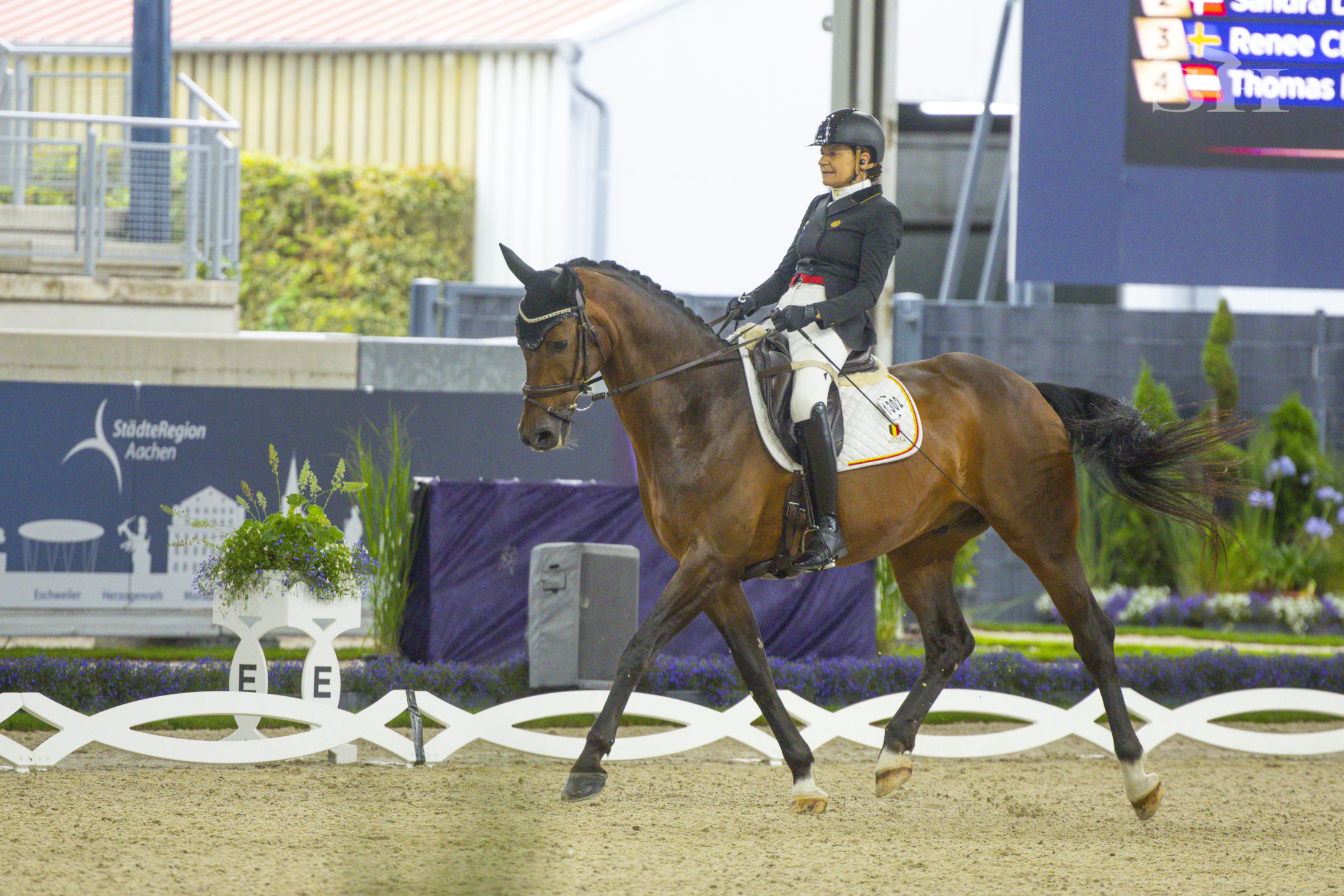
Answer: not much. And that is precisely excellent news.
« Je n’aurais pas pu rêver mieux. Il a vraiment un comportement exemplaire en concours. Il ne regarde rien, c’est un vrai guerrier. C’est assez facile de le monter parce que c’est comme à la maison. »
The technique, however, will still need to be refined this winter. Barbara does not hide it: the combination was not 100% ready. But in para-dressage, especially in the grades corresponding to the most significant impairments, the horse’s mind carries huge weight.
“He has to want to do it,” she sums up.
And this one, clearly, wants to.
One horse to reassure the other
Para-dressage also has a few particularities that the general public often discovers during a championship.
Barbara évolue en Grade III et peut notamment utiliser ce qu’on appelle un friendly horse, ou companion horse.
The principle? A second horse can enter the arena and remain in a corner during the test. Not to give the answers, obviously. Simply to reassure the horse competing.
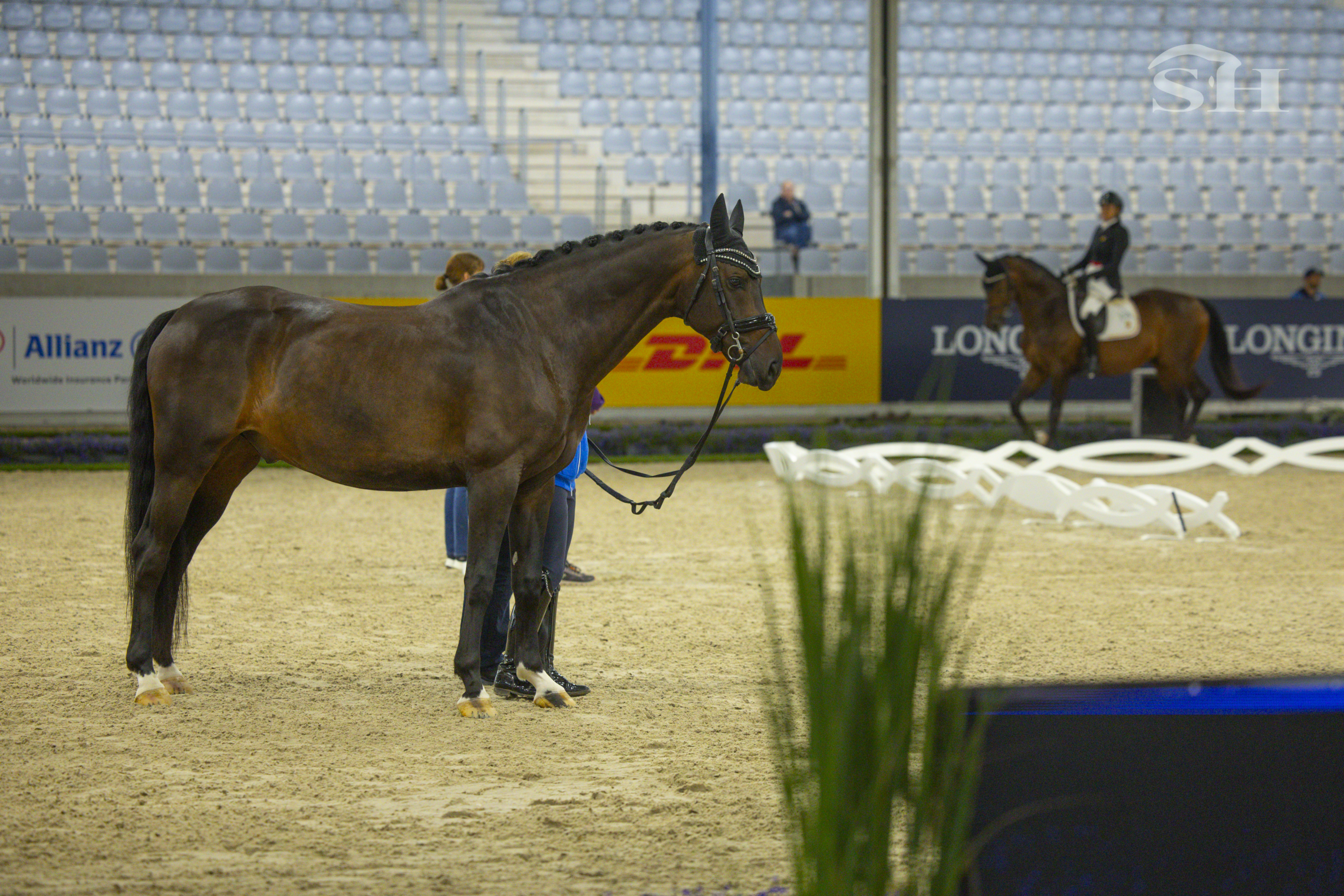
“In the more severe impairment grades, so I, II and III, you can have a friendly horse. It allows the competing horse not to find itself alone in the arena and to feel more at ease.”
For a rider with fewer physical options to manage a rise in stress, the detail is far from folklore.
Barbara is happy to use this possibility. Her horses live out in the field, are used to other horses and, as she nicely puts it, “have kept their horse instinct.”
In short, they prefer friends to existential solitude in the middle of a dressage arena.
And when Barbara does not have one of her own horses available to accompany the other, international solidarity can come into play. An Italian horse, Leonardo, has notably played that role on a regular basis.
Which just goes to show: even at the World Championships, you can be opponents at 2:12 p.m. and babysitter at 2:25.
Kevin, official reader in french
There is another particularity with Barbara.
During some tests, someone reads the text of the test to her. This is a compensatory aid, granted in particular when the impairment causes memory problems. It must be requested and medically justified.
And Barbara’s designated reader is none other than… Kevin Van Ham.
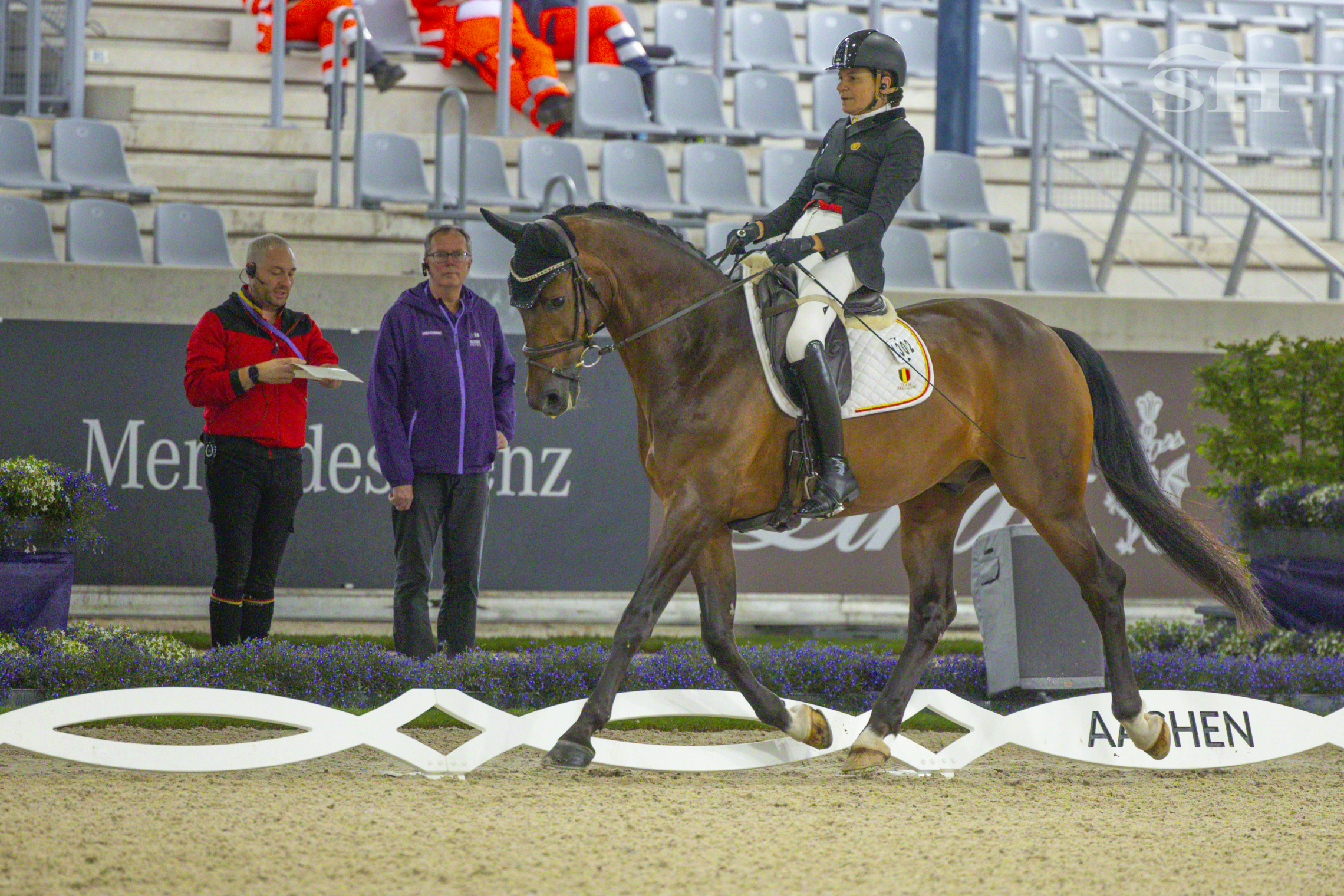
Small problem: Kevin does not speak french.
Small detail: he apparently reads the tests with an accent convincing enough to have fooled a few French people.
“The whole French team thought he spoke perfect French. They speak to him in French, and he understands nothing,” Barbara laughs.
Behind the anecdote lies something a little deeper about this Belgian team.
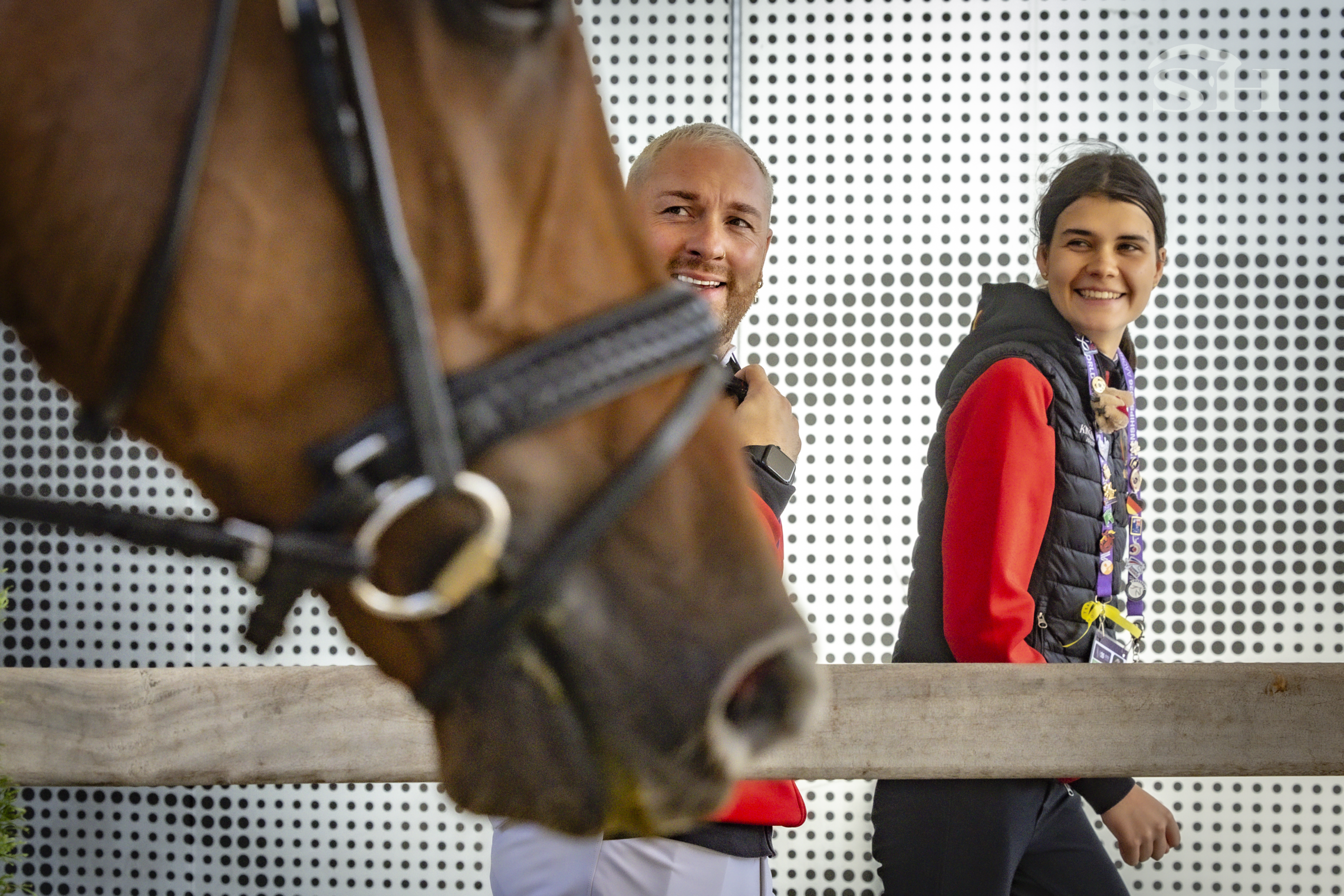
Kevin and Barbara are now the old hands. The “OGs”, as Kevin says. They have been through enough championships together for the relationship to have long since moved beyond the simple red polo shirt and team photo.
“We have developed a real friendship,” Barbara explains.
Around them now come Emma and Francesca, with their young horses, their first times and inevitably a few knots in the stomach.
In Aachen, passing things on may have been just as important as the percentages.
Emma and Francesca took the plunge
For Emma Vercammen, this World Championship had all the feel of an accelerated discovery course.
At 18, with Odin, seven years old, she arrived for the first time on a stage like this. Even during the familiarisation, her trainer took the time to show the horse the environment before Emma got on, so that she could conserve as much energy as possible.
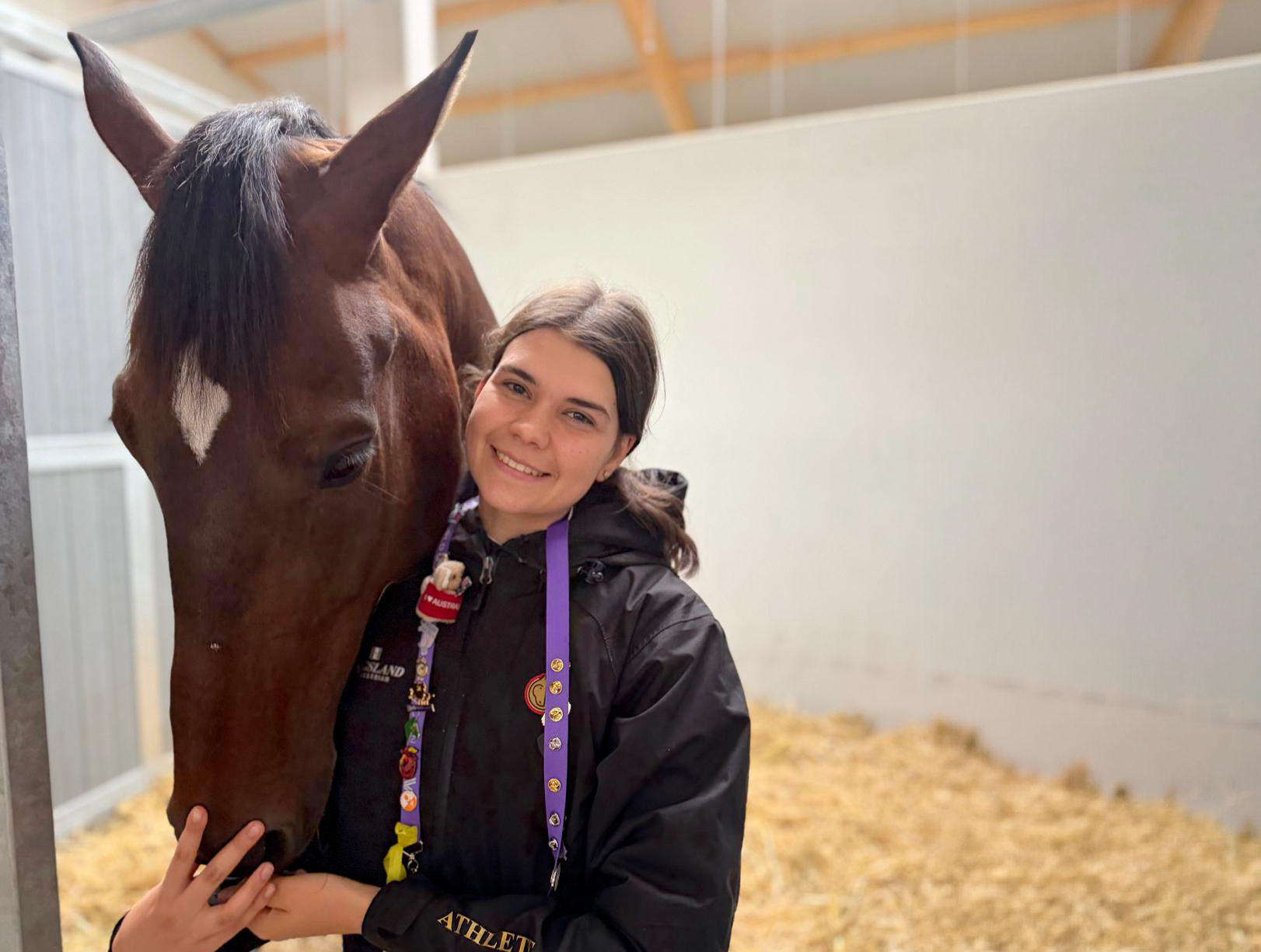
Le premier jour fut logiquement plus compliqué. Mais la réponse apportée ensuite est probablement ce qu’il faut retenir : 69,400 % dans l’épreuve par équipes, son meilleur score personnel.
Francesca Vanhoeck a connu une trajectoire un peu plus cabossée.
Her 69,282 % on the first day with Fastlane had confirmed the quality of the combination. The following day, the Aachen environment made itself felt more strongly for the young horse.
There was a bit of tension, and that is something I will have to learn to manage better in the future,” she admitted after her test.
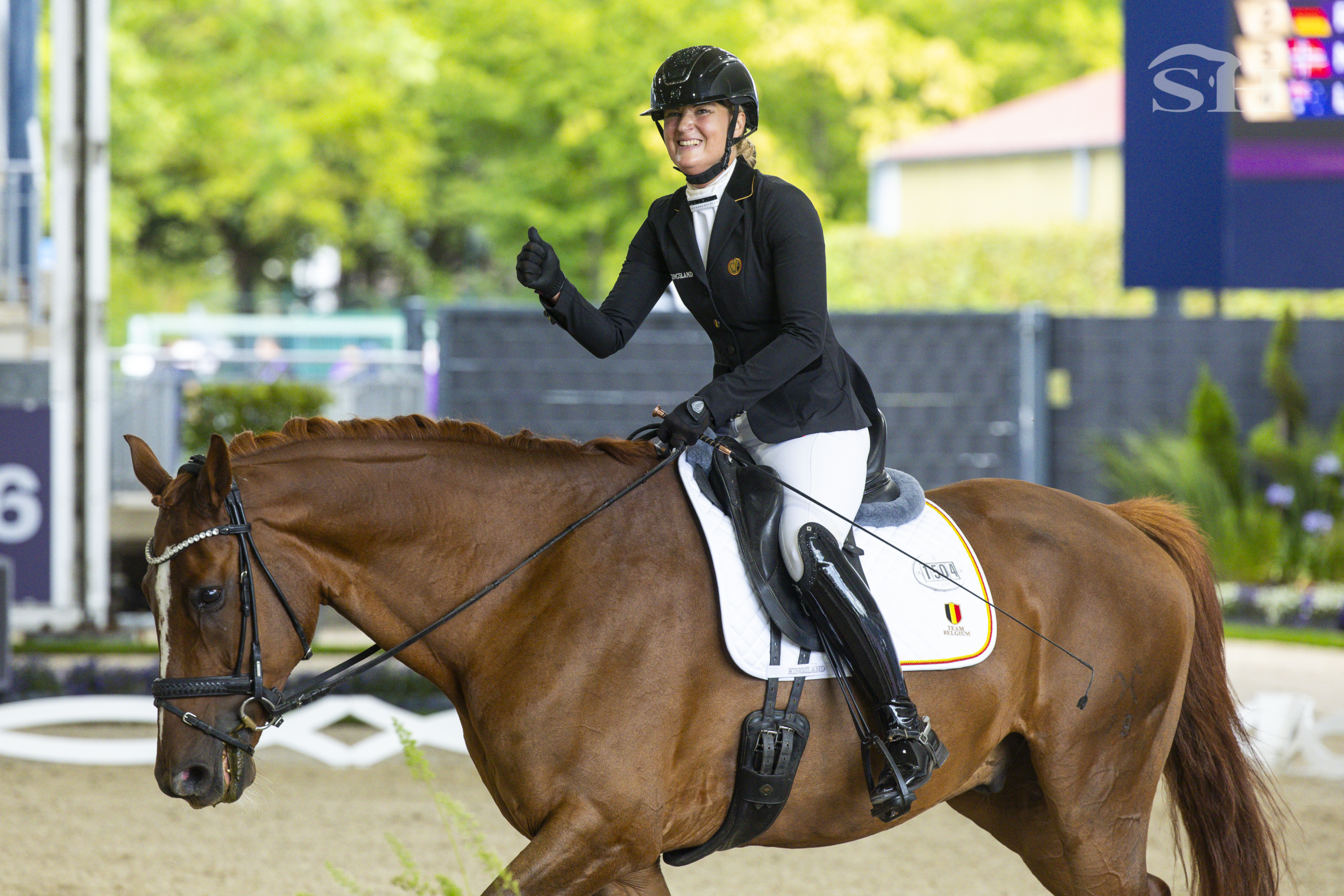
But there was no question of throwing out the baby, the bathwater and the dressage saddle with it.
Fastlane has been part of her life for three years, and Francesca describes him as a horse with “a heart of gold”, one she has always been able to count on.
Aachen simply reminded her that a World Championship is also there to show where the work has to begin.
Now, Los Angeles has to be built
This is ultimately where the real story of this team begins.
Aix représentait une première occasion de se qualifier directement pour les Jeux Paralympiques de Los Angeles 2028. Elle est passée à une place.
So the work will have to be picked up again.
Les prochains mois serviront à développer les chevaux, solidifier les nouvelles combinaisons et transformer ce qui était encore expérimental en véritable projet sportif. Les Championnats d’Europe 2027 de dressage et para-dressage à Randbøl, au Danemark, constitueront notamment une nouvelle étape majeure du parcours de qualification vers LA. La FEI a explicitement confirmé que ces Européens permettront aux nations encore non qualifiées de viser des quotas paralympiques.
Barbara already knows what her winter will look like: acquiring the exercises still missing with Freiherr. Kevin, meanwhile, is looking towards the young horses capable of taking over from Eros.
Emma and Francesca now have something that no training session at home can manufacture: they know what a World Championship looks like from the inside.
And that, quietly, matters.
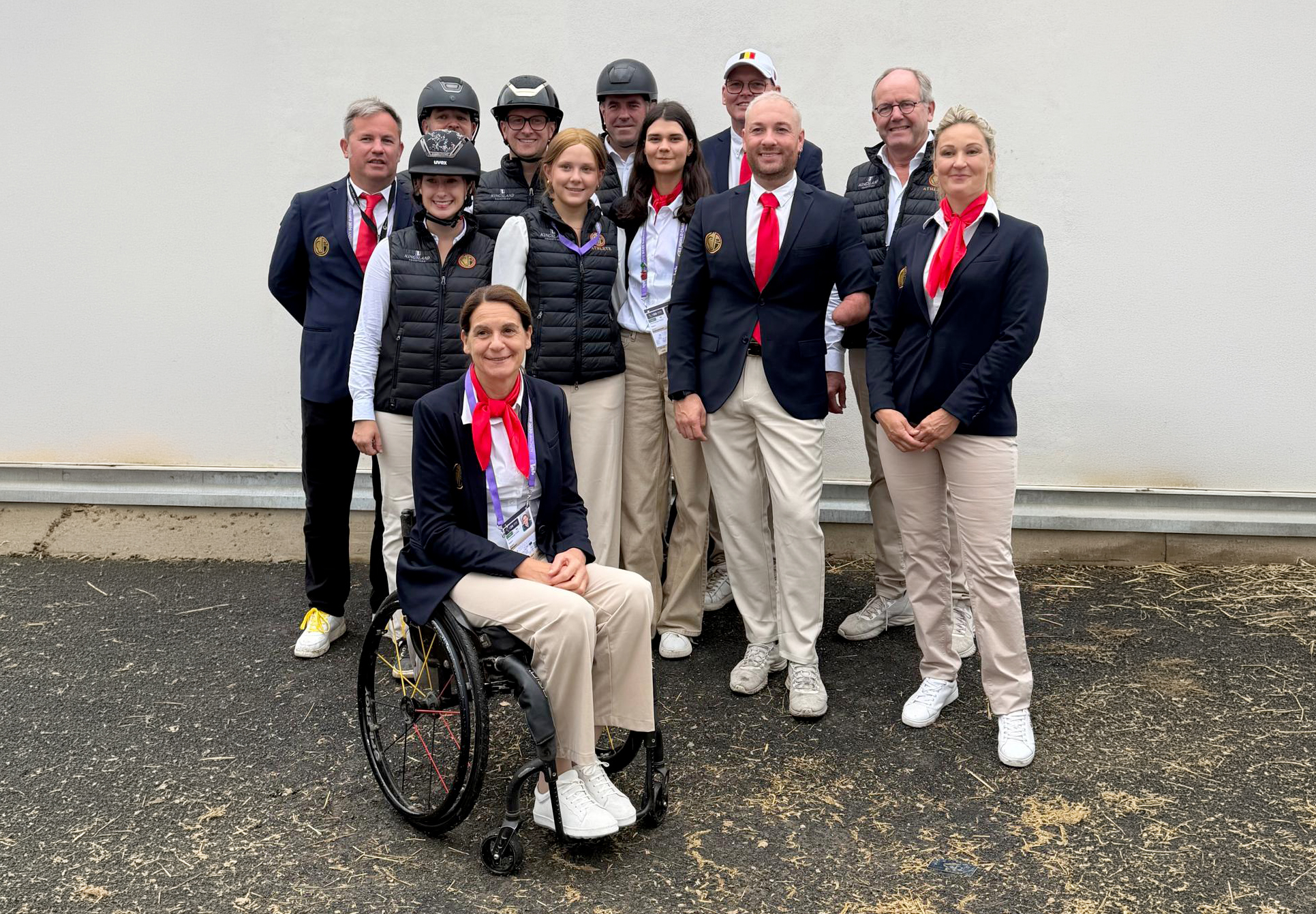
Belgium returned from Aachen without a medal and without a ticket to Los Angeles.
But it also returned with a young horse who showed a mind of steel, an 18-year-old rider who beat her personal best when it counted for the team, a new Grade V combination that now knows exactly what it has to work on, and an old Eros brought back from semi-retirement to hold the fort while the next generation learns the job.
We have seen more worrying reports.
In Aachen, Belgium may not yet have been ready to win.But it has started to understand how it might become ready.