



For the past two months, the International Jumping Riders Club (IJRC) has been active on multiple fronts. Between a cold war over “ghost fees” at competitions, strong proposals for Los Angeles 2028, and regulatory discussions at every level, the show jumping riders’ union is making its moves. The goal: to restore some fairness in a sport where the lines are not always straight.
“Fantasy” fees in the crosshairs
t’s an issue that has been irritating riders in the stables for years: the additional costs piling up on their bills. Manure, electricity, parking… so far, nothing new. But in recent months, the IJRC has decided to step things up.

The club is pushing for all these fees—sometimes considered “creative”—to strictly comply with the list approved by the FEI, organizers, and riders’ representatives. An attempt to bring order to a system where some competitions are skirting the limits.
An agreement has indeed been reached. But there’s a slowdown: its implementation, initially scheduled for January 1, has been postponed to April 1. This delay follows concerns raised by certain stakeholders on the circuit, particularly from major Spanish tours. Unofficial translation: not everyone was ready to tighten the screws.
A strengthened FEI–IJRC partnership
At the same time, the IJRC has renewed its Memorandum of Understanding with the FEI. A key document, in place since 2014, which formalizes the club’s role as the main representative of show jumping riders worldwide.
Behind the paperwork lies a political issue: ensuring that regulatory decisions are not made without those who are actually in the arena. Dialogue, consultation, collaboration… the three pillars are set—and, above all, officially recognized.
FEI regulations: proposals that sting
The IJRC hasn’t just been talking—it has also put forward several concrete proposals to evolve the rules.
Among them, a modification to Article 117.2 of the General Regulations. The idea: to have national federations select riders rather than horses. A nuance that changes a lot in a system based on invitations.
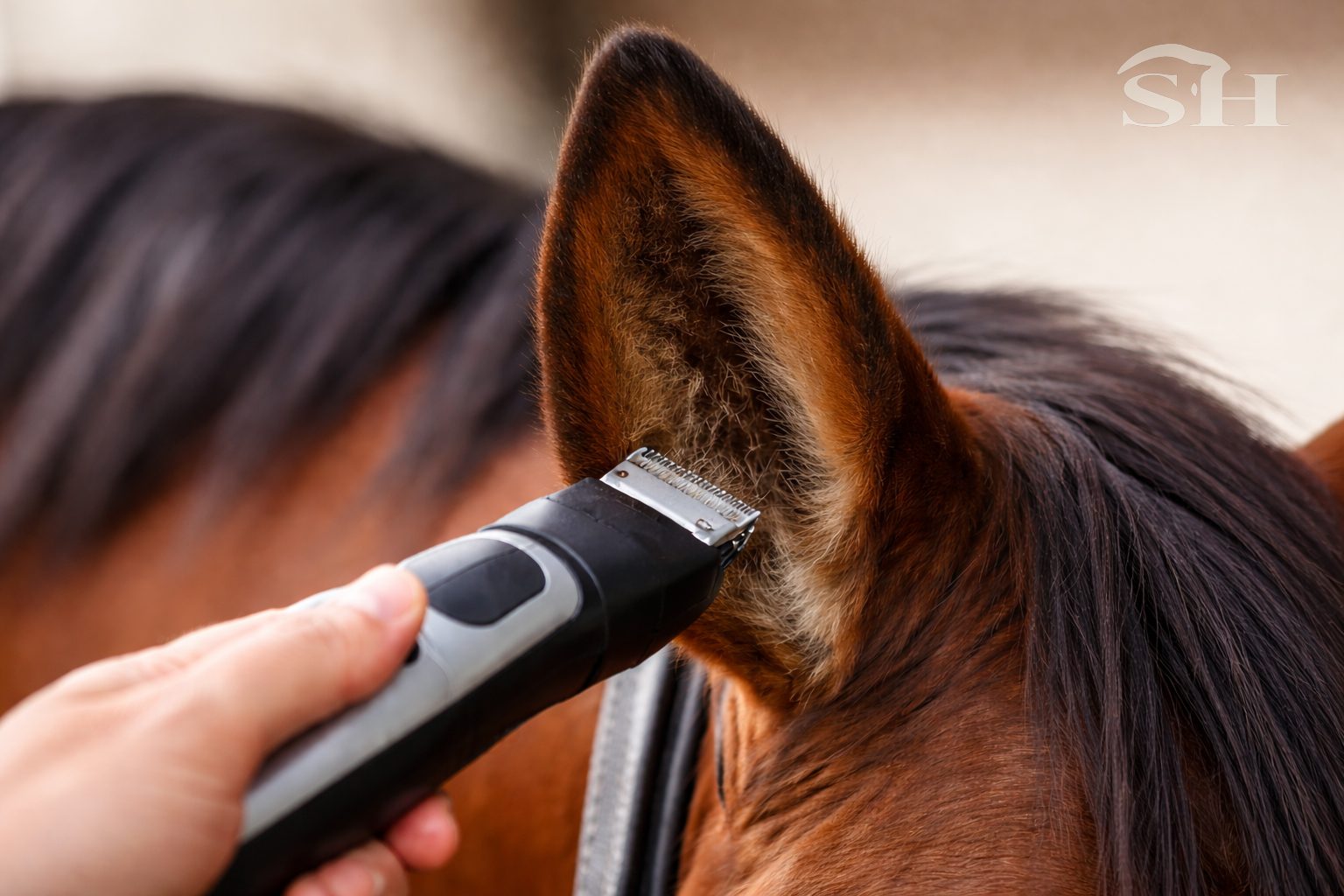
Another, more unexpected topic: trimming ear hair. Currently tightly regulated, it could move toward a more flexible approach. The IJRC believes there is no veterinary evidence showing a negative impact on horse welfare and advocates for a more pragmatic interpretation.
Los Angeles 2028: toward restored fairness?
This is probably the most sensitive issue. The current Olympic rules create an uneven situation: individual riders enter the competition without having jumped beforehand, unlike those competing in teams.
The result: an obvious imbalance when it comes to tackling the individual event.
The IJRC’s proposal is clear: require individual riders to compete in at least one round beforehand, via the team qualifier. A way to put everyone back on the same starting line. Simple on paper, more difficult to push through governing bodies.
Heading to the FEI Sports Forum
Next step: the FEI Sports Forum in Lausanne at the end of March. On the agenda are key discussions on youth, equine welfare, and, above all, the Olympic rules for LA28.
The IJRC will be strongly represented, with François Mathy, Eleonora Ottaviani, Beatrice Ottaviani, and Laura Borromeo. Not to mention the new generation coming from the Young Riders Academy.