

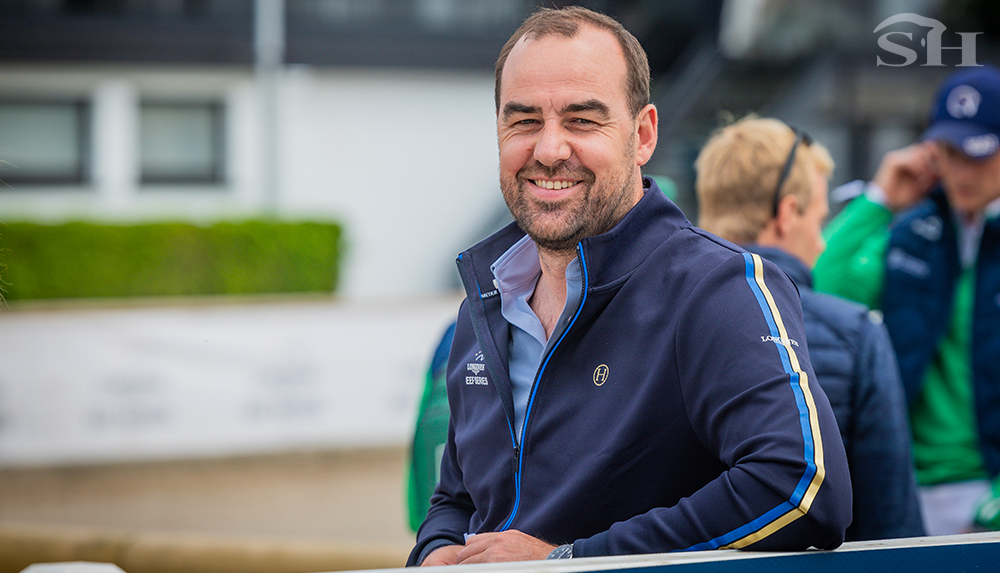
Acting President of the European Equestrian Federation (EEF), Quentin Simonet hardly fits the image of a leader chasing red carpets and Olympic grandstands. His focus is on riding schools, development, and “turning pedestrians into riders.” A message that almost goes against the grain in a sport often obsessed with elite performance.
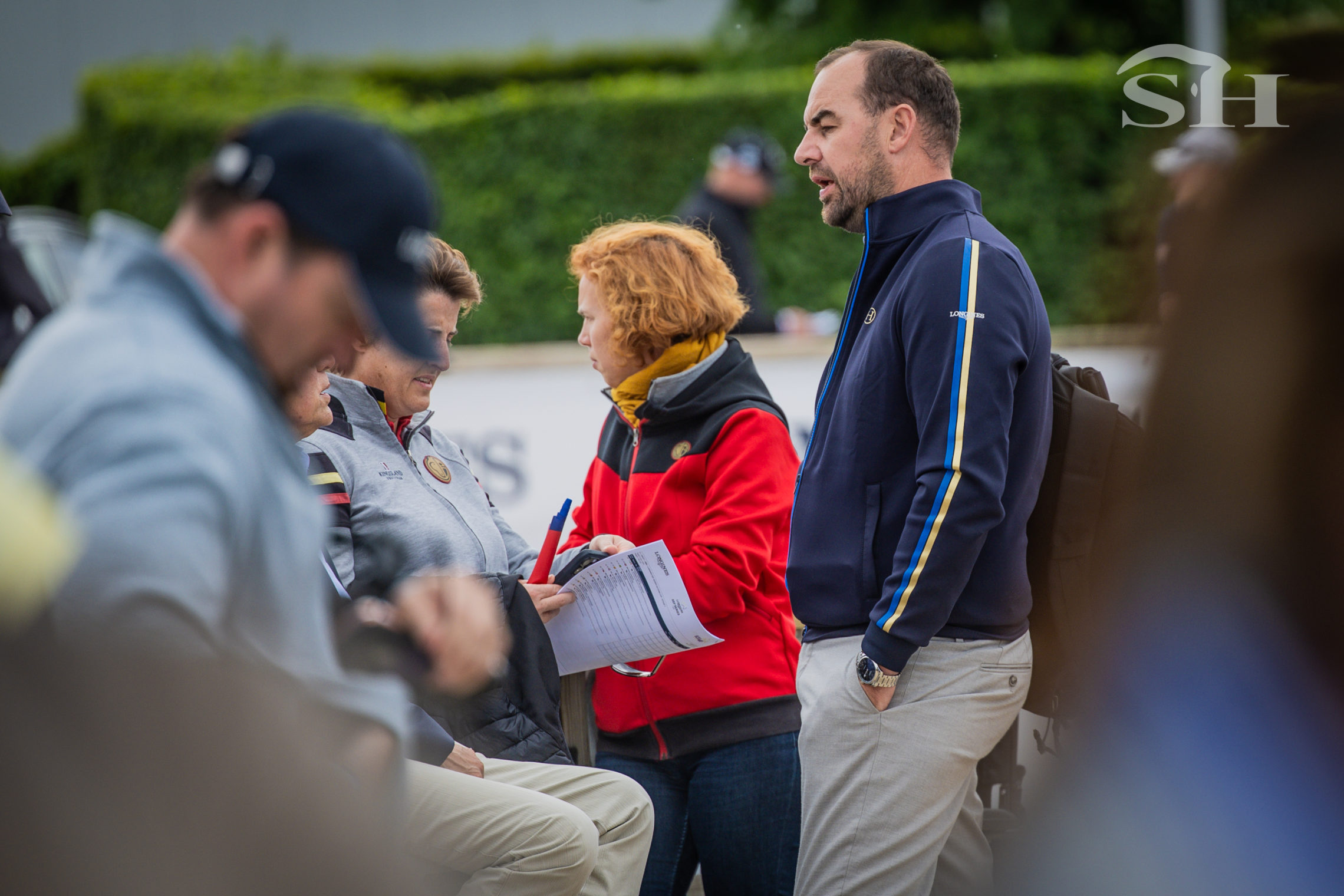
The pony kid who became Europe’s interim boss
For the Simonet family, it all started with family ponies they refused to sell as the children grew taller.
“We didn’t want to sell the ponies. We just kept riding them despite getting bigger,” he recalls.
Driving came next (his brother is international driver Edouard Simonet). Then came business school and sports management studies, without any clear ambition to build a career in the horse world.
“The passion kind of caught up with me,” he says simply.
The French Equestrian Federation soon became his professional playground. International relations, driving management, Olympic logistics for Rio, Tokyo, and Paris: Simonet climbed the ladder quietly. In 2019, he joined the EEF board. Today, he serves as Acting President following Theo Ploegmakers’ departure for health reasons.
And apparently, the role hasn’t gone to his head.
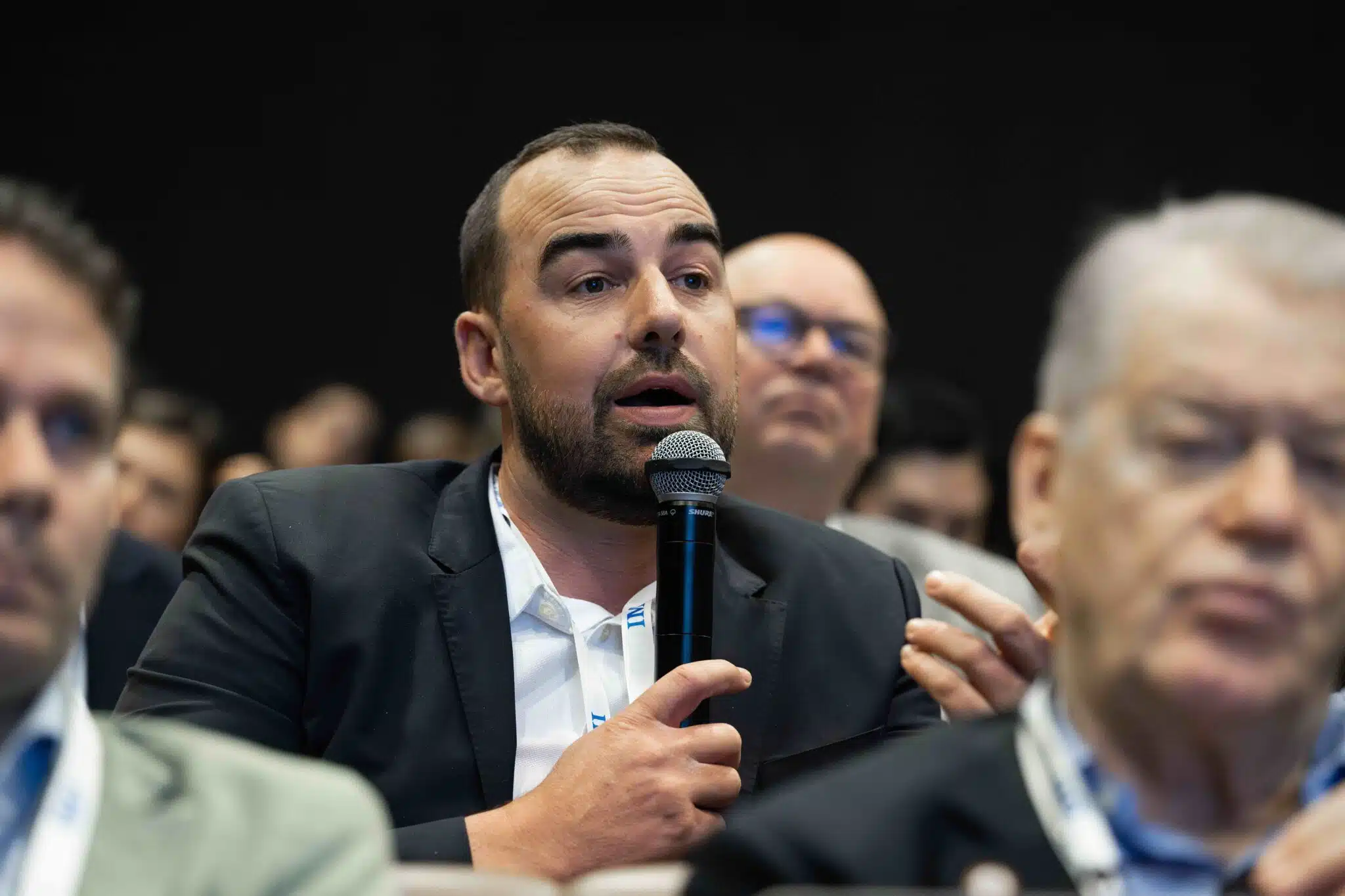
“The real issue is the grassroots”
While many sports executives sell medals first, Quentin Simonet talks mainly about… pony clubs.
“The area where we need to work the hardest on development is making equestrian activities more accessible,” he insists.
The conclusion is simple: without renewal at the grassroots level, elite sport will eventually collapse on its own.
“If we fail to strengthen that base, in the medium term we’re going to face some major challenges.”
And Simonet pushes the idea even further than competition itself.
“We need more pedestrians turning into riders in the years ahead.”
That sentence perfectly sums up his vision: equestrian sport must stop speaking only to insiders if it wants to remain relevant in broader societal debates around animal welfare and the purpose of equestrian sports.
A convinced European
In his speeches, the word “collective” comes up constantly. Not exactly glamorous. But very revealing.
For him, European equestrianism should not be a permanent competition between federations.
“When it comes to development, there’s no competition between Belgians and the Dutch,” he explains
The EEF’s role? Sharing ideas, supporting more fragile federations, helping with education programs, and spreading best practices.
A practical, grassroots-driven yet solid approach to European sports governance.
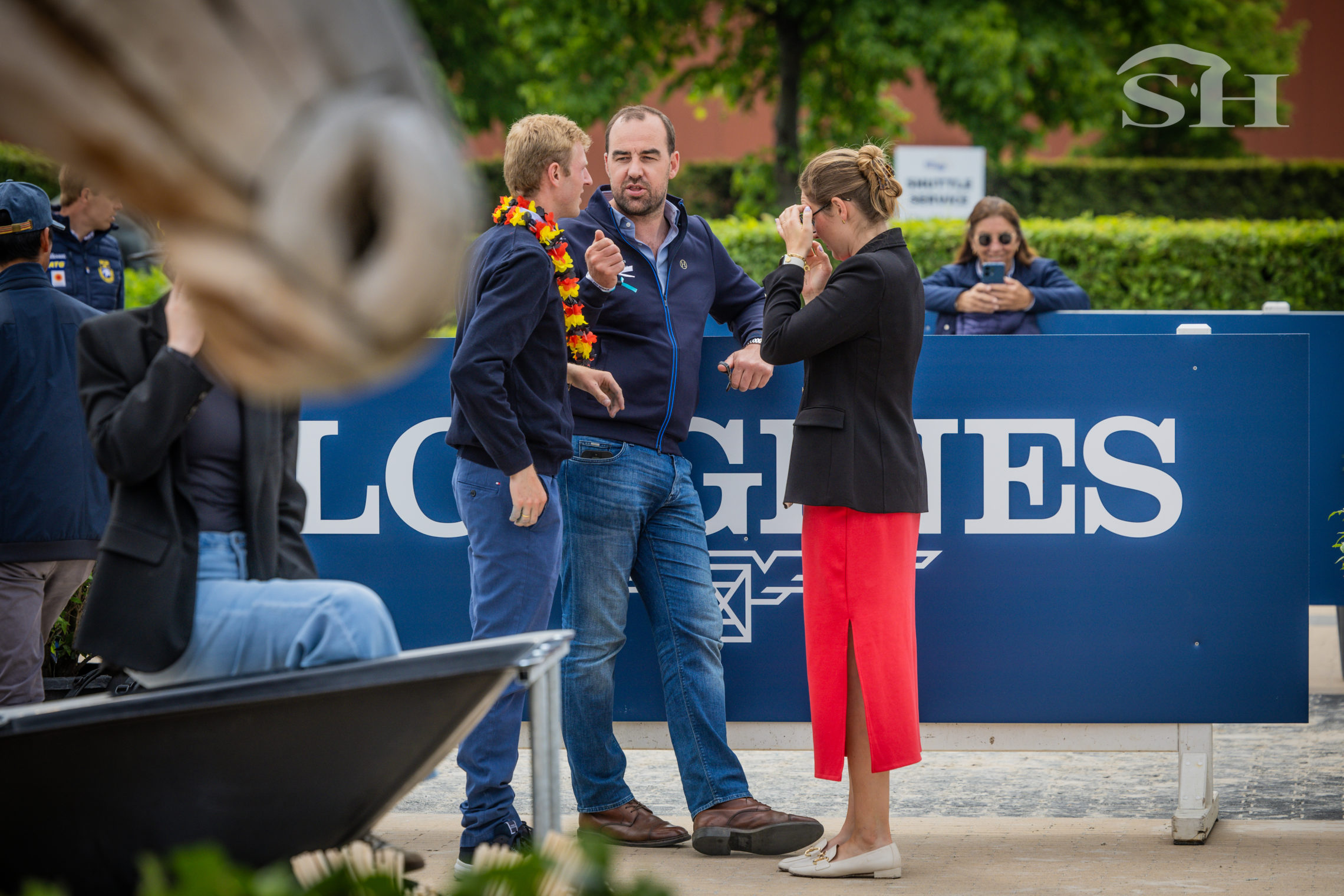
The Longines EEF Series, his flagship project
When he talks about the Longines EEF Series, his pace picks up slightly. Fair enough: it’s probably the project that best embodies his vision.
“It’s the biggest Nations Cup circuit in Europe,” he says.
More importantly, the Frenchman sees the series as a pathway to top-level sport.
“We’ll see more and more riders coming through the Longines EEF Series who will go on to form the top teams of many nations.”
The renewal of the partnership with Longines for another five years only strengthens that ambition. A rare kind of stability in a sport where many circuits often survive on fragile financial backing.
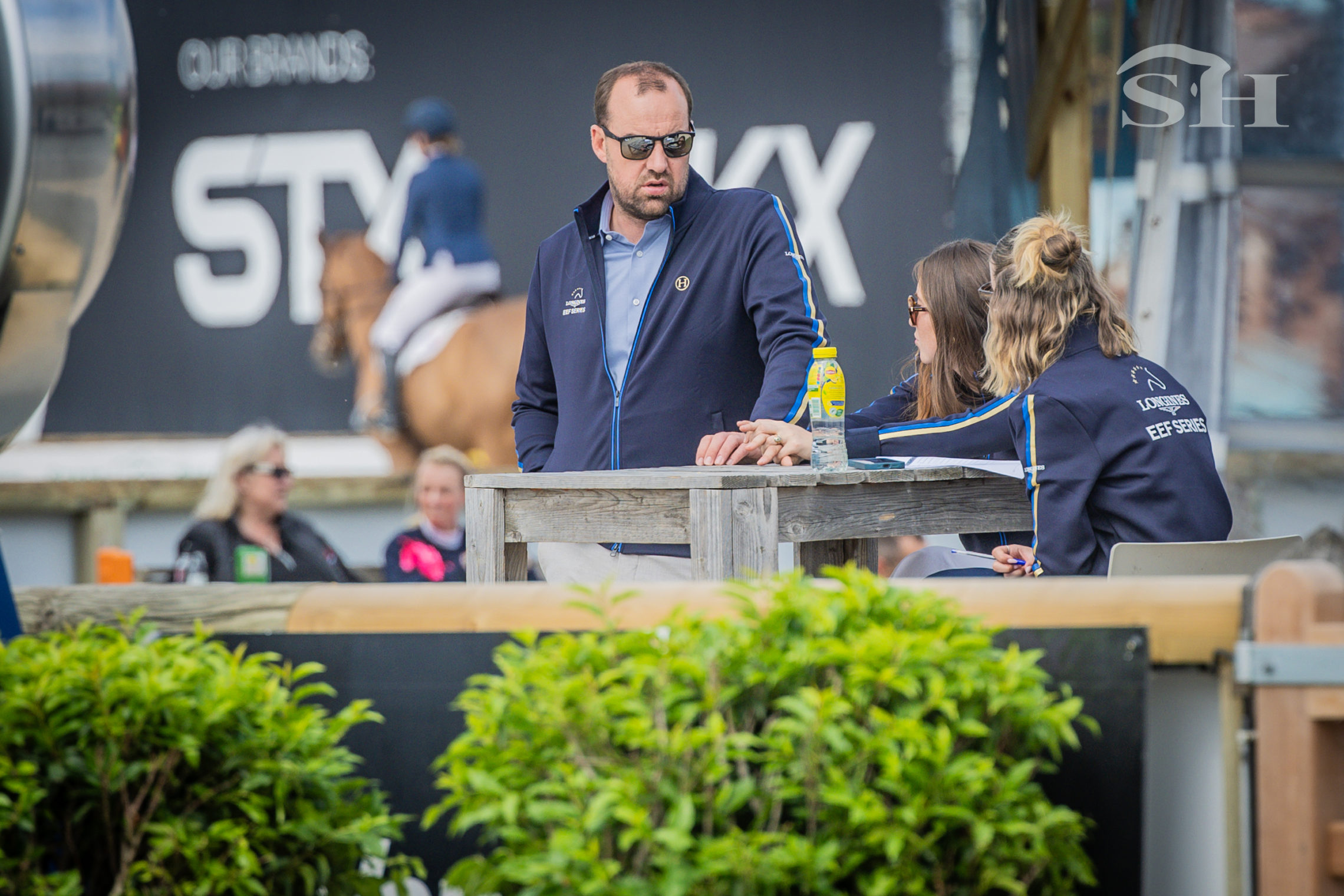
Still connected to the field
The classic risk for sports executives? Losing touch with reality. Simonet is fully aware of it.
“I know where I come from. I truly come from the sport and from a passionate family background in equestrianism.”
He still works daily within the French Equestrian Federation, dealing directly with administrative issues, clubs, and organizers.
And that probably changes a lot.
Because between FEI meetings and general assemblies, some people forget that a federation survives mostly thanks to volunteers, riding instructors, and families loading the horse truck on Sunday mornings.
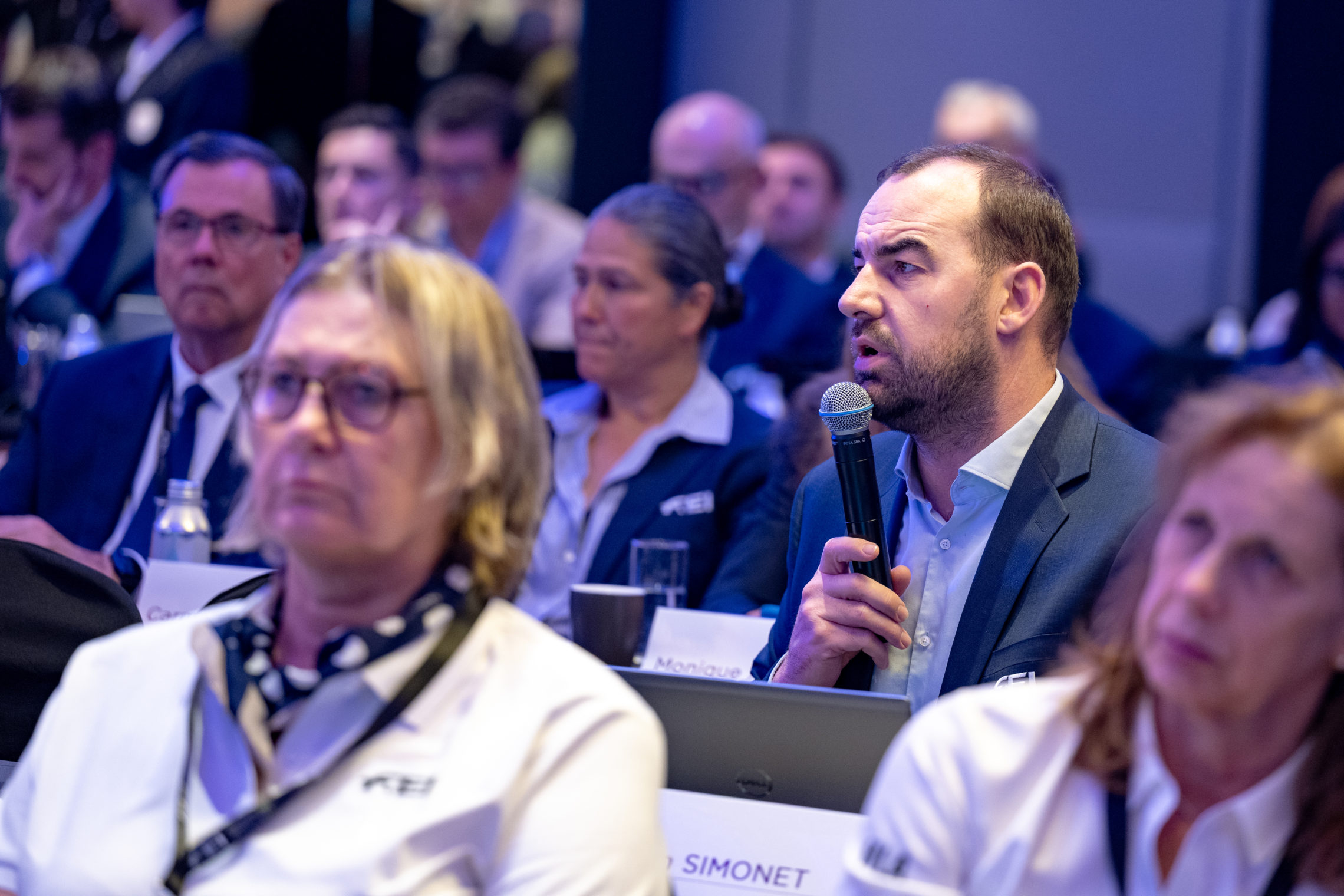
Simonet, though, still seems to speak their language.
For how long? The answer will come in September, just before his 40th birthday, during the EEF General Assembly. Until then, the Frenchman is moving forward without projecting himself too far ahead.
“Whether I’m a candidate for the presidency or not, I remain extremely motivated to keep pushing things forward.”
And in the small world of equestrian institutions, that already sounds like a manifesto.